Water Damage: What to Do in the First 24 Hours After Isaias
When Hurricane Isaias slammed ashore at Destin, Florida with 105 mph winds on October 10, it left a trail of flooded homes—and restoration job records show the bill climbs sharply the longer mitigation is delayed. Here is your hour-by-hour plan for the first 24 hours after water damage.
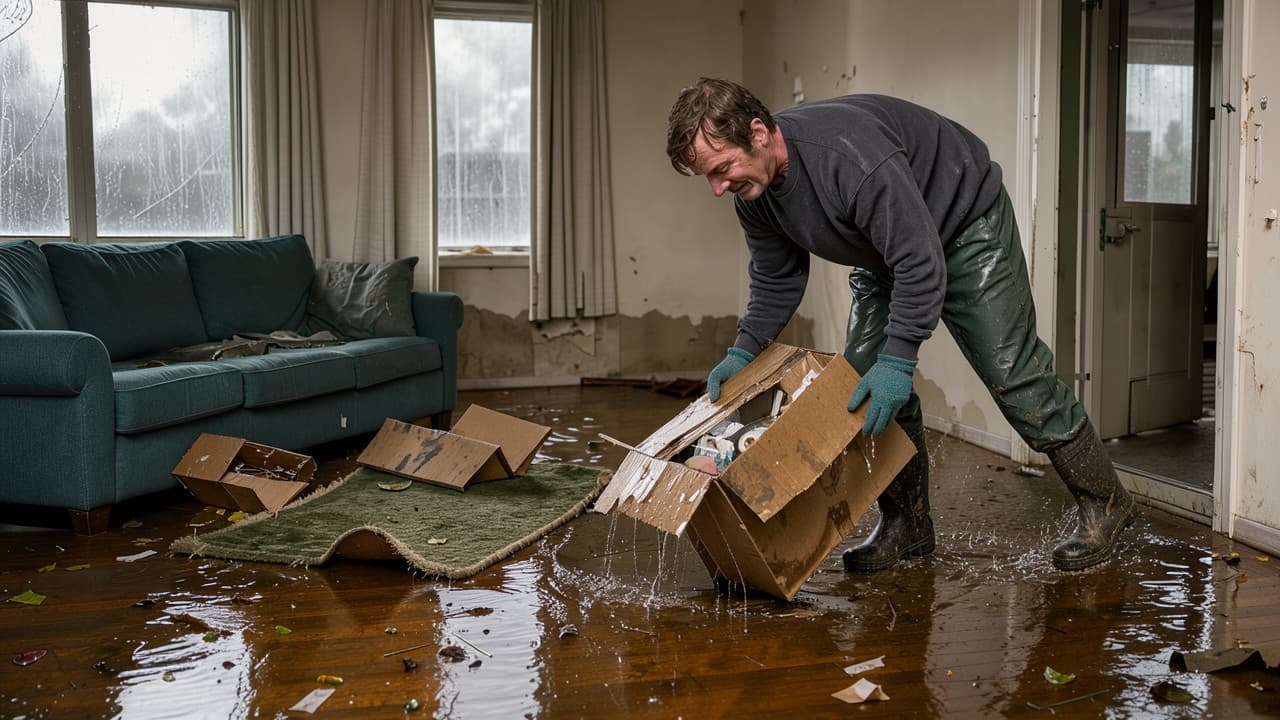
Hurricane Isaias Made Landfall — Here's Water Damage What to Do in the First 24 Hours
Isaias, the first storm of the 2026 Atlantic hurricane season, came ashore near Destin, Florida, as a Category 2 hurricane with 105 mph winds, and USA TODAY's report on Isaias damage in Florida and Alabama shows homes from Pensacola to Tallahassee soaked by floodwater and battered by wind. Whether you just returned from an evacuation or you've been staring at the damage for days without knowing where to start, your first 24 hours of active response matter more to your home's outcome than almost anything the storm itself did. If you're frantically searching "water damage what to do" on your phone, this guide is your hour-by-hour plan — covering safety, documentation, drying, mold prevention, and filing an insurance claim that actually gets paid.
Hour One: Water Damage What to Do Before You Touch Anything
The Good Men Project recently called it "one of the most stomach-dropping moments a homeowner can face" — walking into a flooded basement, finding a burst pipe spraying behind a wall, or coming home to water spreading across the floor. Panic is natural, but your first moves need to protect people, not property.
- Kill the power to wet areas at the breaker panel before stepping into standing water — and if the panel itself is wet, call your electric utility instead.
- Shut off the main water valve if any of the water came from a broken pipe or appliance rather than the storm itself.
- Treat all floodwater as contaminated. Storm surge and runoff carry sewage, chemicals, and bacteria — wear rubber boots and gloves, and keep kids and pets out.
- Watch for structural red flags like sagging ceilings, bulging walls, or new foundation cracks, and stay out of rooms that show them.
- Never run generators or gas appliances indoors — carbon monoxide and gas leaks are serious post-storm hazards.
- Relocate to a dry area, or to family or a hotel, if water reached living spaces, wiring, or your septic system.
Hours Two to Four: Document Everything Before You Clean Anything
Cleanup instinct is strong, but your insurance claim lives or dies on evidence. Before you throw away a single soaked rug, build your documentation file.
- Photograph and video every damaged room — wide shots first, then close-ups of walls, flooring, cabinets, and belongings.
- Put a tape measure in the frame showing how high the water reached on walls and doors; adjusters rely on that measurement.
- Keep damaged items until the adjuster inspects them or your insurer gives written approval to discard them.
- Log the details: when water entered, where it came from, how deep it got, and an itemized list of everything affected.
- Save every receipt — emergency repairs, pumps, fans, tarps, and lodging costs are often reimbursable under additional living expense coverage.
Our Quick Claim Checklist lists exactly what your adjuster will ask for and the order they'll ask for it, and our complete guide to water damage explains how professionals assess and price a loss so you can double-check the numbers you're quoted.
Hours Four to Twelve: Extract Water and Start Structural Drying
Here's where hesitation gets expensive. The Cincinnati Enquirer reported that Greenville insurance costs are rising from water damage response delays, noting that local restoration job records show how quickly a water loss grows more expensive when mitigation stalls after a claim is filed. The single most common "water damage what to do" mistake after a storm is waiting for things to calm down — a home that sits wet for three days routinely costs several times more to restore than one dried within the first day.
- Remove standing water immediately with a wet/dry vacuum, sump pump, or bucket line — every hour water sits, it wicks deeper into drywall and framing.
- Pull up wet rugs and carpet padding; padding almost never dries successfully in place and is cheap to replace.
- Elevate furniture on foil or wood blocks and move porous items like books, cardboard, and fabrics out of wet rooms.
- Open windows and run fans and dehumidifiers — moving air is what actually dries a structure; a closed wet room just breeds mold.
- Drill small weep holes at the base of wet drywall or remove baseboards so trapped water can escape wall cavities.
- Call a professional extraction crew today. Many operate 24/7, and your policy requires you to prevent further damage "as soon as reasonably possible."
Hours Twelve to Twenty-Four: Get Ahead of Mold
The Good Men Project's guide to the first 24 hours after home water damage warns that water "has a way of getting everywhere fast" — a small leak can become soaked drywall, buckling floors, and a musty smell before you realize what happened. Mold can begin colonizing wet materials within 24 to 48 hours, especially in humid post-storm air.
- Trust your nose. A musty, earthy odor in a room that looks dry usually means moisture is hiding somewhere.
- Check the hiding spots: behind baseboards, inside closets, under cabinets, inside HVAC ductwork, and in attics where wind-driven rain pushed through vents.
- Ask about moisture meters and thermal imaging — a professional scan finds water inside walls before mold starts, and costs far less than remediation later.
- Sanitize every surface floodwater touched with an appropriate disinfectant, and separate porous items that may need professional cleaning or disposal.
- Don't paint over or seal water stains yet — sealing damp drywall traps moisture and gives mold a perfect incubator.
If you've already crossed the 48-hour mark — likely for many Isaias evacuees who returned home days after landfall — read our mold remediation guide before finalizing repair plans, because remediation and reconstruction have to happen in the right order.
File Your Claim the Right Way — Denials Are Common and Deadlines Are Real
Storm claims get denied more often than most homeowners expect, and denials often have less to do with the damage than with how it was documented. JD Supra reported that lawsuit deadlines are approaching for Texas property owners whose 2024 or 2025 storm damage insurance claims were denied — proof that if a carrier lowballs or denies you, your right to fight back has an expiration date.
- Call your insurer immediately and ask: Is this loss covered, what's my deductible, and what emergency mitigation am I pre-authorized to perform? Get the claim number in writing.
- Understand wind versus flood. Wind and wind-driven rain damage is typically covered by homeowners insurance; rising floodwater generally requires a separate flood policy through NFIP or a private carrier.
- Make only temporary, necessary repairs — tarps, board-ups, extraction. Permanent repairs before the adjuster's inspection can jeopardize your payout.
- Never sign an Assignment of Benefits without legal review; that document can transfer your entire claim and your rights to a third party.
- If the claim is denied or the offer is too low, request the denial in writing, order a complete copy of your claim file, get a second opinion from a public adjuster, and calendar your state's appeal and lawsuit deadlines immediately.
Protect Your Health While You Restore Your Home
The water damage what to do question isn't only about the house. Wet drywall, damp insulation, and bacteria-laden floodwater degrade indoor air quality and pose real health risks, especially for children, seniors, and anyone with asthma.
- Wear an N95 mask, gloves, and eye protection during any demolition or debris handling.
- Wash your hands thoroughly after every cleanup session, and disinfect any cut or scrape immediately.
- Keep vulnerable household members out of wet areas until professional cleaning and drying are complete.
- Replace, don't clean, soaked porous items that touched floodwater — mattresses, upholstered furniture, and carpet padding usually can't be safely salvaged.
Frequently Asked Questions
How quickly do I need to act after water damage?
Extraction should start within hours and be well underway within 24. Mold can begin growing within 24 to 48 hours of saturation, and restoration job records show losses get significantly more expensive the longer mitigation is delayed. If you can't remove the water yourself, calling a professional today is the single most cost-effective step you can take.
Is hurricane water damage covered by homeowners insurance?
Wind damage and rain entering through a storm-created opening — a torn roof or broken window — is typically covered. Flooding from rising water, storm surge, or surface runoff generally requires separate flood insurance through NFIP or a private carrier. Ask your agent to confirm in writing how your specific Isaias loss is classified before you commit to a claim narrative.
How can I tell if there's water inside my walls?
Look for staining, bubbling paint, soft or crumbling drywall, and musty odors — but drywall can look normal on the surface while staying saturated inside the cavity. The reliable answer is a moisture meter or thermal camera inspection from a restoration professional, because hidden cavities are exactly where unnoticed mold gets its start.
Can I handle the cleanup myself instead of hiring a restoration company?
Small, clean-water incidents — a few inches from a supply line, caught immediately — can often be managed with extraction, fans, and dehumidifiers, plus a moisture check a few days later. Storm flooding, sewage-contaminated water, or any loss affecting more than one room calls for professional extraction, industrial drying equipment, and moisture documentation, which also protects your claim.
How long does a house take to dry out after flooding?
With professional air movers and dehumidifiers, most structures reach acceptable moisture content in three to seven days, sometimes longer. Drying is complete when moisture meter readings on affected materials match unaffected areas of the home — not when surfaces merely feel dry to the touch.
You Don't Have to Figure This Out Alone
The first 24 hours after Isaias will decide how much of your home can be saved, how large your insurance settlement is, and whether mold becomes your next expensive problem. Don't let confusion or hesitation turn a manageable water loss into a year-long nightmare. Visit restorationcompanion.com and connect with vetted, licensed water damage restoration professionals in your area who can start extraction, document your loss correctly, and guide your claim from the first call through final repairs — the sooner you reach out, the more of your home we can help you save.