Midwest Hailstorms: Grapefruit‑Sized Hail Hits 1.5k Homes
On March 10‑11, Midwest hailstorms dropped grapefruit‑sized hail, damaging 1,500 homes with water damage. Learn to spot mold and file insurance claims fast.
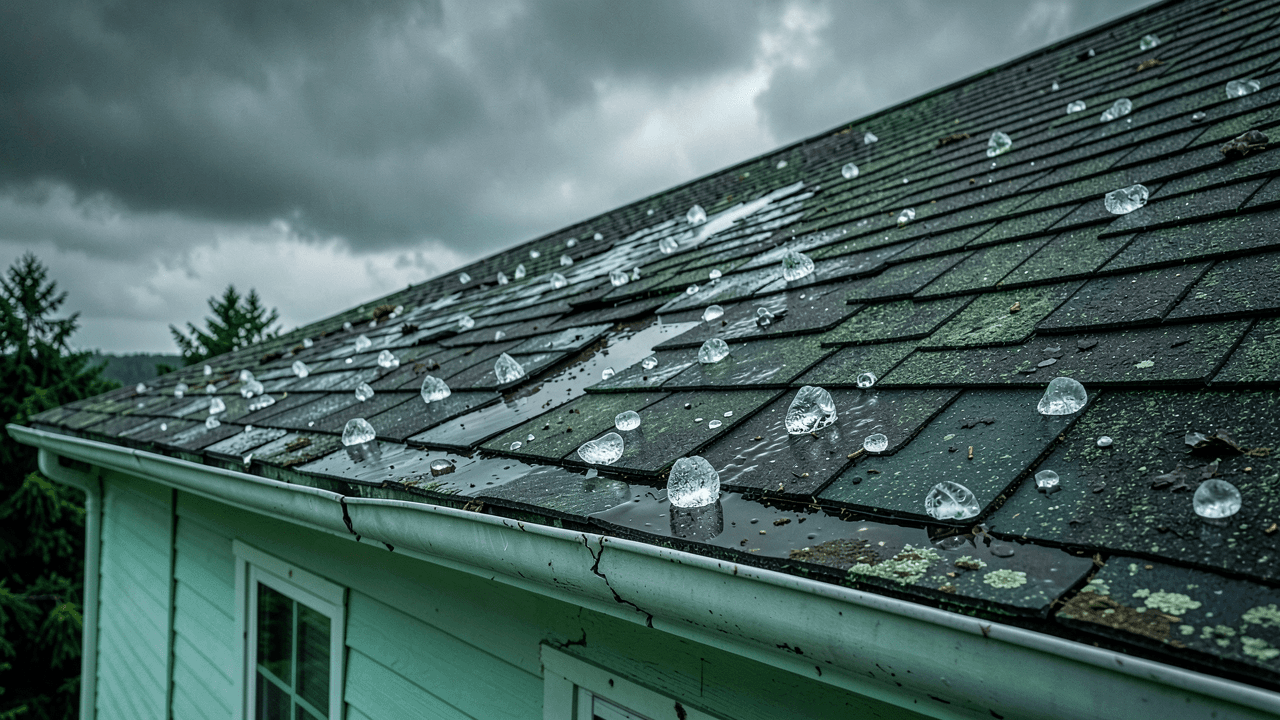
Midwest Hailstorms: Grapefruit‑Sized Hail Hits 1.5k Homes
Recent headlines such as “Severe storms slammed parts of the Midwest on March 10 and 11” and “Tornadoes devastate the Midwest. See photos of damage” remind us that mid‑western weather can strike with little warning. The latest outbreak, reported by USA TODAY, saw hailstones as large as grapefruits pumpling roofs and windows across Indiana, Illinois, and Ohio. While the headlines paint a dramatic picture, the most pressing concern for homeowners is how to protect, assess, and repair their properties after the hail has stopped falling.
Understanding the Damage of Grapefruit‑Sized Hail
Grapefruit‑sized hail is not just a nuisance—it can cause significant structural damage. Typical impacts include:
- Cracked or shattered windows and skylights
- Roof tiles or shingles that are bent, broken, or displaced
- Uprooted trees or branches that can damage siding, gutters, and foundations
- Wind‑driven debris that can dent or dent metal framing
Because the hailstones were so large, many homes experienced a higher rate of damage per square foot. Inspecting for hidden cracks in drywall and evaluating the condition of insulation can prevent long‑term issues such as mold and energy loss.
Immediate Steps After a Hailstorm
When the storm passes, the first priority is safety and documentation. Follow these practical steps to protect your home and streamline the claims process:
- Turn off utilities if you suspect damage. Check for gas leaks or electrical faults before re‑activating circuits.
- Document everything. Take photos or videos of broken windows, damaged siding, and any interior water damage before you begin cleanup.
- Remove loose debris safely. Wear gloves and a face mask to protect yourself from broken glass and sharp metal.
- Cover exposed areas. Use tarps or plywood to shield roof sections that have been lifted or broken from the wind.
- Do not touch any damaged or fallen trees. Contact a licensed arborist for safe removal to avoid injury or further property damage.
These actions not only reduce the risk of additional harm but also provide your insurer with clear evidence that supports a thorough claim.
Insurance Claims 101 for Midwestern Homeowners
Understanding how to file a claim can save you time and money. Here’s a step‑by‑step guide tailored to midwest hailstorms:
- Review your policy. Confirm that hail damage is covered under your dwelling and personal property provisions.
- Submit a claim promptly. Many insurers have a 30‑day deadline after damage is discovered.
- Provide photographic evidence. Include before‑and‑after shots to illustrate the scope of damage.
- Obtain a professional estimate. An independent contractor can give a detailed breakdown of repairs and potential hidden water intrusion.
- Ask for a copy of the claim form. This will be useful for any follow‑up discussions with the adjuster.
- Keep receipts. Store purchase receipts for any temporary repairs you make before the insurer arrives.
- Ask for a pre‑inspection. Some insurers allow a preliminary visit to help you understand what they will cover.
When you send your claim, include the “quick claim checklist” available on our site to ensure you’ve covered every necessary detail: Quick Claim Checklist.
Assessing Roof and Exterior Damage
Because hail can lift or crack roof tiles, you need a thorough assessment before you can estimate repair costs or secure insurance coverage.
- Inspect from the ground. Look for visible cracks, missing shingles, or sagging areas.
- Check for water stains. Dark patches on ceilings or walls often indicate roof leaks.
- Examine gutters and downspouts. Broken or detached components can cause water to pool near the foundation.
- Look at siding and paint. Chips or gouges can let water seep in, leading to interior moisture problems.
- Engage a licensed roofer. A professional can use moisture meters and infrared cameras to detect hidden damage.
Once you have a complete damage inventory, you can discuss the next steps with your insurer and a restoration contractor.
Preventing Water Intrusion and Mold
Even if the roof appears intact, hail can create micro‑cracks that allow water infiltration. Quick action is key to preventing mold, which can develop within 48–72 hours in humid Midwest climates.
- Dry out any wet areas immediately. Use fans and dehumidifiers to lower indoor moisture.
- Seal cracks with sealant. Apply a high‑quality exterior sealant to damaged siding and roof seams.
- Remove standing water. Check basements, crawl spaces, and outdoor patios for pooled water.
- Inspect ventilation. Proper airflow in attics and crawl spaces helps keep humidity levels low.
- Consult a mold remediation guide. Learn how to identify early signs of mold; you can read more at our mold remediation guide.
Addressing these issues early reduces long‑term health risks and property damage.
Choosing a Restoration Professional
After gathering damage evidence and insurance estimates, you’ll need a trusted restoration company. Consider the following when selecting a contractor:
- Licensing and insurance. Verify the company’s state licenses and that they carry liability and workers’ compensation coverage.
- Experience with hail damage. Contractors who specialize in midwest hailstorms will know how to handle large‑hail repair nuances.
- Transparent pricing. Request a detailed written estimate before work begins.
- References and reviews. Check past customer testimonials and ratings on independent review sites.
- Insurance coordination. A reputable firm should work directly with your insurer’s adjuster to streamline the claim.
RestorationCompanion can help you find a local, vetted professional that meets these criteria. If you’re ready to start the repair process, contact us today and we’ll connect you with the right experts in your area.
Frequently Asked Questions
Q1: How do I know if my insurance covers hail damage?
A1: Review your homeowner’s policy; most standard policies include coverage for hail under the dwelling and personal property sections. Contact your insurer if you’re unsure.
Q2: Can I repair my roof myself after a hailstorm?
A2: Minor chip repairs can be DIY, but large cracks or broken shingles should be handled by a licensed roofer to avoid future leaks.
Q3: What steps should I take before my insurance adjuster arrives?
A3: Document damage with photos, keep receipts for temporary fixes, and ensure the property is safe to enter.
Q4: How long does it take to repair a roof damaged by grapefruit‑sized hail?
A4: Depending on the extent of damage, repairs can range from a few days for minor fixes to several weeks for extensive replacement and structural work.
Q5: Is mold a common issue after a hailstorm?
A5: Yes—if water infiltrates the structure, mold can develop rapidly. Prompt drying and sealing prevent long‑term problems.
Take Action Today
If you’re a homeowner in the Midwest and your property was impacted by the recent hail outbreak, don’t wait. Assess damage, secure insurance coverage, and begin restoration before hidden moisture or mold can take hold. For reliable, professional help, visit RestorationCompanion.com—your trusted partner for fast, thorough post‑storm recovery.