Repeat Flood Damage: Utah Home Hit Twice After $80K Repairs
Steve and Alayne Isom finished $80,000 in flood repairs and moved their furniture back in — days later, flash floods tore through their Hurricane, Utah home for the second time in two months. Their story shows why repeat flood damage demands permanent drainage and grading fixes, not just another cleanup bill.
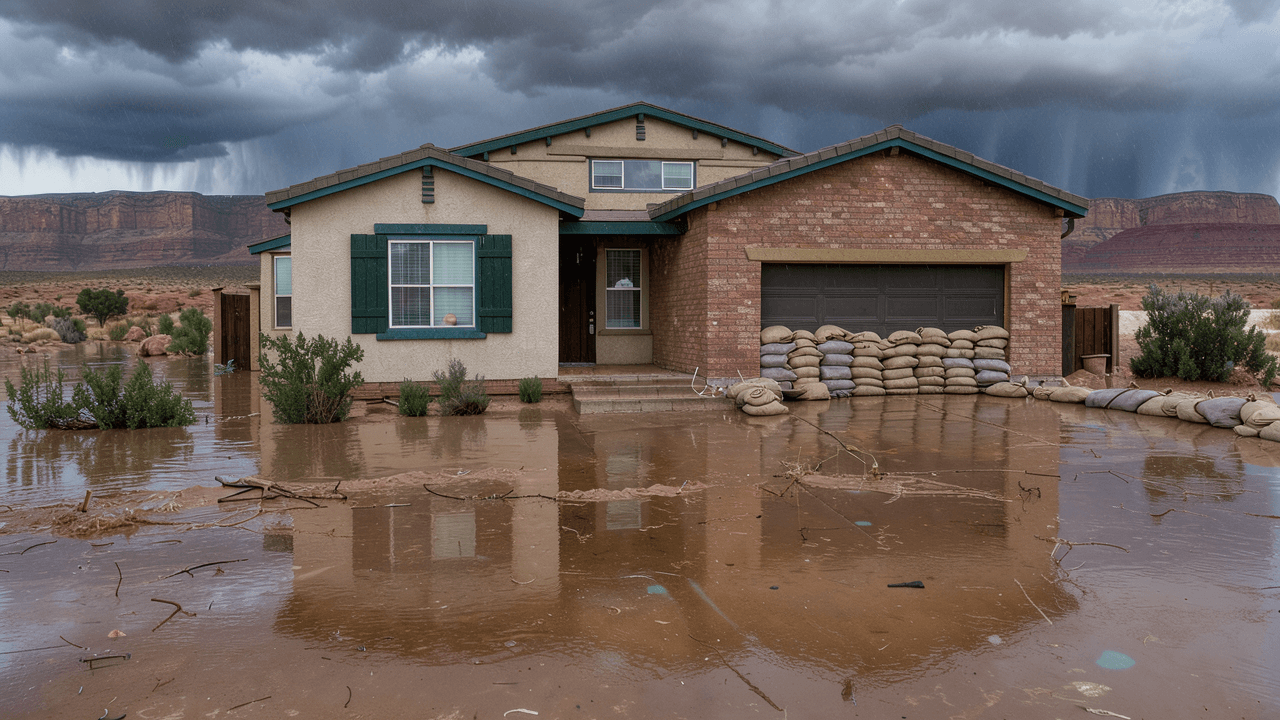
Repeat Flood Damage: One Utah Home Hit Twice After $80K in Repairs
Imagine finishing $80,000 in flood repairs, carrying every piece of furniture back inside, and then watching floodwater tear through your home again just days later. That is what Steve and Alayne Isom of Hurricane, Utah have endured — their home was devastated by flash flooding for the second time in two months, as reported by The Salt Lake Tribune. One day earlier, St. George News described how heavy flooding displaced families in Hurricane and caused more harm to already damaged homes, with restorers re-drying compromised structures and urging homeowners to invest in permanent drainage and grading fixes instead of repeated cleanup bills.
If your home has flooded more than once — or you just finished repairs and dread the next storm — you need a plan, not sympathy. This guide covers the steps that matter most after repeat flood damage: staying safe, protecting your insurance claim, drying a structure that has been wet twice, stopping mold, and making upgrades that finally break the cycle.
Why Repeat Flood Damage Is Harder on Your Home Than the First Flood
A second flood does not strike a fresh structure — it strikes one already weakened. Drywall that was dried after the first event can look fine while holding moisture below the surface. Insulation that stayed damp packs down and loses its effectiveness. Framing swells when wet and loosens fasteners as it dries, weakening subfloors and connections. Most importantly, dormant mold spores left behind in wall cavities reactivate the moment new moisture arrives. That is why restoration crews in Hurricane are re-drying and re-inspecting materials homeowners believed were already fixed.
Southern Utah is not an outlier. FloodMart's 2026 Flood Damage Report notes the year has already produced a major billion-dollar disaster candidate, multiple regional flash-flood emergencies, and a reminder that flood risk is no longer limited to coastal surge zones. The same report cautions that flood costs — insurance claims, FEMA assistance, infrastructure inspections, debris removal — take months to settle, so the choices you make in the first weeks after a flood shape your finances long term.
- Drywall and insulation: expect more demolition the second time; twice-saturated materials rarely dry back to a healthy state.
- Framing and subfloors: moisture must be re-checked in the same cavities that got wet before, since trapped moisture feeds mold between events.
- Electrical systems: if water reached outlets or panels, have a licensed electrician clear the circuits before restoring power.
- Foundations and grading: repeated saturation widens cracks and washes out the soil slope around your home.
First 24 Hours After a Second Flood: Safety First, Then Documentation
Before you move furniture or pull carpet, protect yourself and your claim. Insurers pay for what you can prove, so documentation is the difference between a smooth claim and a stalled one.
- Kill power to wet areas and keep everyone — pets included — out of rooms where water reached outlets or panels until an electrician clears them.
- Wear rubber boots, waterproof gloves, and an N95 respirator. Floodwater often carries sewage and chemicals, and that risk is higher the second time.
- Photograph and video everything before touching it: water lines, flooring, furniture, and appliance serial numbers. Take wide room shots plus close-ups.
- Save samples of destroyed materials — a square of carpet, a chunk of drywall — until your adjuster has seen them.
- Start a claim journal: date, time, who you spoke with, and what was promised. Keep every receipt, including hotel stays, fans, and supplies, which are often reimbursable.
Not sure what your insurer will ask for? Work through the quick claim checklist before you call, so nothing important gets discarded or forgotten in the chaos.
Filing Insurance After Repeat Flood Damage: One Event, One Claim
A common, costly mistake after a second flood is combining both events into a single loss. In most programs, each flood is a separate claim with its own documentation, estimates, and limits. Report promptly: policies require you to take reasonable steps to protect the property from further damage, and adjusters respond best when mitigation starts immediately.
Your paperwork from flood number one becomes evidence. Keep original invoices, moisture readings, and photos — they establish your home's condition before the new event and help separate new damage from old. If you have a National Flood Insurance Program (NFIP) policy, ask whether Increased Cost of Compliance (ICC) coverage applies; it can provide up to $30,000 toward elevation or floodproofing when a home is declared substantially damaged. And remember that new flood policies generally carry a 30-day waiting period, so this protection only exists if you already bought it.
Persistence matters as much as paperwork. ABC7NY recently profiled a New Jersey mother still out of her Princeton home more than five years after Hurricane Ida, stuck in rebuild red tape despite being approved. The lesson for any claim: keep copies of every document, follow up in writing, track supplemental-claim and appeal deadlines, and never assume silence means progress.
What Professional Re-Drying Looks Like After Repeat Flood Damage
After a second flood, restoration crews should not just drop in fans and leave. A proper re-drying job on a previously flooded home should include:
- Moisture mapping of walls, floors, and ceilings — not just visibly wet spots — with printed readings you keep for your records.
- Targeted removal: cutting drywall above the new water line (often higher than the first flood), pulling baseboards, and opening wall cavities so air reaches trapped moisture.
- Antimicrobial treatment of framing and cavities, since spores from the first flood are still present.
- A written drying goal and verification readings confirming materials hit safe moisture content before drywall goes back up.
If your contractor cannot provide moisture logs and a drying plan, get a second opinion. Our water damage restoration guide explains what professional drying should include and the equipment you should see on site.
Mold Risks Multiply After Back-to-Back Floods
Mold can begin growing within 24 to 48 hours, and a home flooded twice in two months already has spores established in cavities, subfloors, and ductwork. Watch for a musty smell that returns after the house seems dry, dark spots reappearing on repaired walls, and symptoms that ease when you leave the house. If material soaked in either flood was never professionally dried and verified, treat it as suspect until tested. Our mold remediation guide explains when cleanup is a safe do-it-yourself job and when you need a certified contractor — especially for large areas, wall cavities, or households with asthma or immune concerns.
Break the Cycle: Drainage and Grading Fixes That Beat Another Cleanup Bill
This is what restorers in Hurricane are pressing hardest: stop budgeting for repeated cleanups and invest in keeping water out. A dollar of drainage works for decades; a cleanup only lasts until the next storm. The most effective fixes, roughly in order of cost:
- Regrade the soil so the ground slopes away from your foundation — aim for about six inches of drop over the first ten feet. Settled backfill sloping toward the house is a leading cause of repeat water entry.
- Extend downspouts and sump discharge four to ten feet from the foundation, onto a surface or swale that carries water away from your home and your neighbor's.
- Install a sump pump with battery backup and test it monthly during wet season; a pump without power is just a bucket.
- Add a backflow valve on the main sewer line so storm surges cannot push sewage up through drains and toilets.
- Switch vulnerable rooms to flood-resistant materials: tile or sealed concrete floors, closed-cell insulation, water-resistant lower wall board, and outlets raised above the flood line.
- Elevate or anchor mechanicals: move the furnace, water heater, and electrical panel up or onto platforms, and anchor fuel tanks so they cannot tip or float.
Look beyond your lot line, too. In Reno, a Washoe County engineer told KOLO-TV that Hidden Valley's existing flood infrastructure cannot withstand the extreme rain the region now sees — even as the county touts new detention facilities as a "modern marvel." The takeaway: public infrastructure helps, but it is not a guarantee. Ask your local floodplain manager about your property, planned drainage projects, and mitigation grant programs your neighborhood may qualify for.
Use the Rest of 2026 to Prepare — Not Just Repair
The same week Hurricane was cleaning up, Claims Journal reported an atmospheric river delivering a glancing blow to Southern California before moving across northern Mexico into the U.S. Southwest, and one California service company is urging homeowners to check heating, plumbing, and electrical systems before winter storms rather than during them. You cannot control the forecast, but you can control your readiness. Before the next rain:
- Walk your property during a moderate rain and note where water ponds, runs, or overwhelms gutters — that map is your fix-it list.
- Locate and label water, gas, and electrical shutoffs so any adult in the household can operate them in the dark.
- Elevate valuables and irreplaceable documents off ground floors, or scan and store them digitally.
- Review policy limits — building and contents are separate coverages — and remember the 30-day wait makes today the cheapest day to add flood insurance.
- Schedule a pre-storm inspection of your roof, gutters, plumbing connections, and sump pump before contractors become scarce.
Frequently Asked Questions About Repeat Flood Damage
Q: Will insurance cover repeat flood damage if my home floods twice in the same year?
A: Generally, yes — under flood insurance, each flood event is handled as its own claim subject to your policy limits and deductibles, as long as the policy was active during both events. Standard homeowners policies do not cover flood, so only flood-specific coverage applies. Repeat losses can raise premiums and may trigger mitigation requirements if your community declares the home substantially damaged.
Q: How fast does mold start after a second flood?
A: Mold can begin within 24 to 48 hours, and it moves faster the second time because spores are already established. If anything stays damp beyond two days, get professional drying help and avoid disturbing suspected growth while you wait.
Q: Does drywall that was dried after the first flood need replacing after the second?
A: Often, yes. Drywall saturated twice loses strength and is more likely to hide trapped moisture and microbial growth. A restorer should decide based on moisture meter readings, but expect the removal line to sit higher than after the first event.
Q: Which drainage upgrades give the most protection for the money?
A: Start with passive fixes — regrading soil away from the foundation, extending downspouts, and clearing gutters and yard drains. Then add a sump pump with battery backup and a sewer backflow valve. Flood-resistant finishes and elevated mechanicals come next, and ICC coverage may help fund mitigation after a substantial damage declaration.
Q: I have no flood insurance and my home has flooded twice. What are my options?
A: If a federal disaster is declared for your area, register with FEMA as soon as possible and document everything — assistance is limited and appeals have strict deadlines. Small Business Administration disaster loans may also fund larger repairs. Separately, quote an NFIP policy now, because the 30-day waiting period means coverage next season only exists if you buy it today.
Where to Get Help After Repeat Flood Damage
Recovering from one flood is exhausting; recovering from two, back to back, can feel overwhelming — but you do not have to figure it out alone. At restorationcompanion.com, you will find step-by-step guides on water damage restoration and mold remediation, plus the quick claim checklist to keep your insurance claim on track. If your home has been hit again, contact us and we will connect you with experienced, vetted local restoration professionals who understand repeat flood damage — so your home gets dried correctly, your claim gets documented properly, and permanent fixes finally break the cycle. Visit restorationcompanion.com today and take the first step toward a home that stays dry.