FreshCo Leads 2026 Water Damage Restoration: Choose Wisely
FreshCo was named top water‑damage restoration firm in 2026 Cincinnati survey, slashing recovery time by 30%. Use our checklist to choose a company that can match this performance.
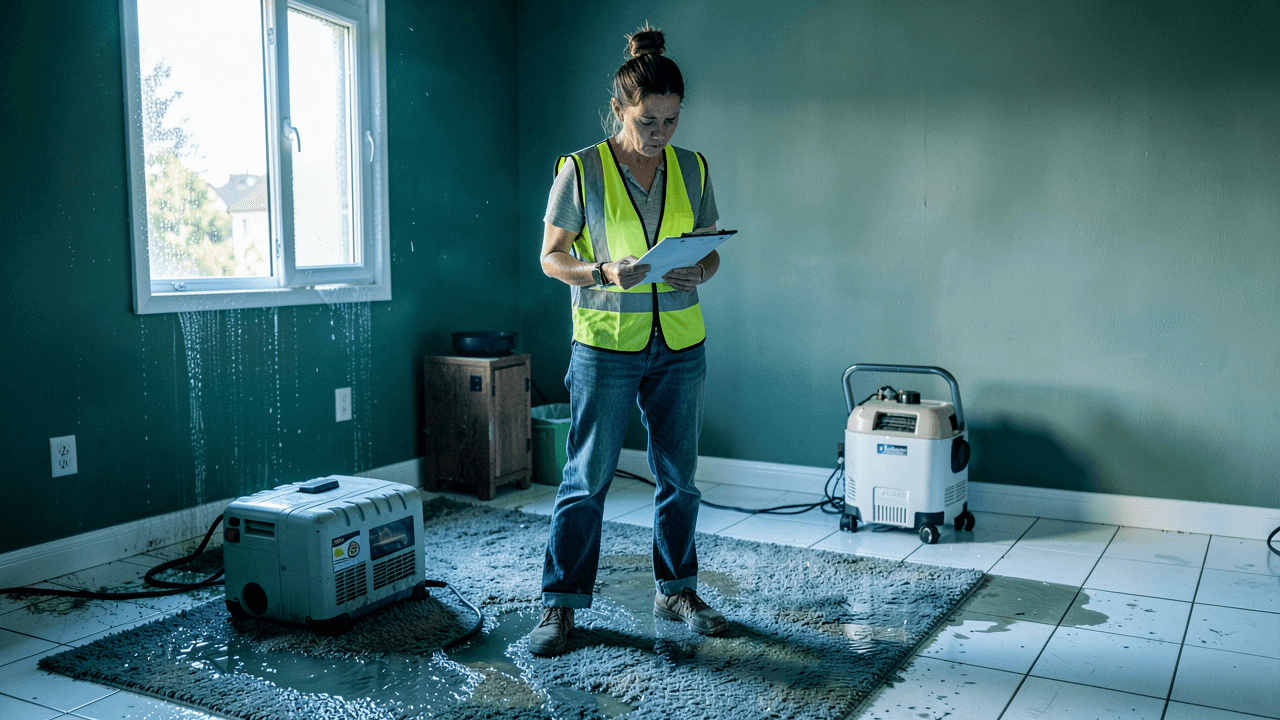
FreshCo Leads 2026 Water Damage Restoration: Choose Wisely
When the news reports that FreshCo outshines competitors in water damage restoration (Cincinnati Enquirer, March 8 2026), it isn’t just a headline—it’s a signal that homeowners need the right partner to protect their property and peace of mind. But how to choose restoration company? The answer lies in a clear, step‑by‑step approach that focuses on expertise, transparency, and your specific damage needs.
Start with a Quick Damage Assessment
Immediately after a flood, burst pipe, or sewage backup, the first thing you should do is limit further damage. Turn off the main water supply, use towels or a wet/dry vacuum to remove standing water, and then assess the extent of the damage. A professional restoration company will begin with a thorough water‑damage survey that identifies:
- Water classification (clean, contaminated, or toxic)
- Moisture content in walls, floors, and ceilings
- Potential mold growth zones
- Structural integrity of foundations and beams
Ask any potential contractor to provide a written report of this initial assessment. This document is the foundation for all subsequent steps and protects you from unexpected repairs.
Check Credentials and Licenses
California’s Contractors State License Board (CSLB) publishes detailed guides on how to verify a contractor’s license and complaint history (CSLB Guides). For Los Angeles homeowners, the OnsitePro article recommends confirming the license number, checking for any suspensions, and reviewing customer ratings on Yelp and Google.
When you call, ask for:
- License number and expiration date
- Insurance coverage, including liability and workers’ compensation
- Proof of certifications such as IICRC Water Damage Restoration Technician (WRT) or Mold Remediation Technician (MRT)
Understand the Full Scope of Services
A reputable restoration company will not only remove water but also stabilize structures and salvage belongings. According to the Thumbtack 2026 list, top Los Angeles firms focus on:
- Drying and dehumidification using industrial‑grade equipment
- Mold remediation and odor elimination
- Structural repairs such as frame replacement or floor reinforcement
- Content restoration—cleaning or replacing books, electronics, and art
Make sure the contractor’s service menu matches the specific damages you’re facing. Ask for a detailed timeline and a written estimate that separates each component of the work.
Ask About Preventive Fixes and Future Protection
Homeowners often think restoration is a one‑time fix, but preventive measures can save thousands later. A solid restoration company will offer:
- Flood‑proofing of basements with back‑flow valves
- Installation of sump pumps and drainage systems
- Mold‑resistant building materials for repairs
- Insurance claim assistance and documentation for future policy updates
When speaking with FreshCo or any other contender, request a preventive strategy after the immediate repairs are completed. The goal is to turn a reactive process into a proactive shield.
Compare Bids and Evaluate Value
Gather at least three written bids that cover the same scope of work. Don’t just pick the lowest price; evaluate:
- Itemized cost breakdown (equipment, labor, materials)
- Estimated completion time and milestones
- Warranty on workmanship and materials
- Clear contact information for project manager and on‑site supervisor
Use the water damage guide to cross‑check each bid against industry standards and typical cost ranges for your area.
Ask About Insurance Claim Support
Insurance claims can be confusing. A trustworthy restoration company will help you navigate:
- Collecting and submitting accurate photos and videos of the damage
- Providing official repair estimates that insurers accept
- Communicating directly with your insurer to update on progress
- Offering guidance on whether certain repairs are covered under policy limits
Ask the contractor for a sample claim packet and verify that they’ve handled similar claims before.
Review Past Projects and Client Testimonials
Seeing tangible results builds confidence. Look for:
- Before‑and‑after photo galleries on the company’s website
- Case studies detailing water damage, mold remediation, or content restoration
- Positive reviews on platforms like Yelp, Angie’s List, and the Better Business Bureau
- Industry awards or certifications (e.g., IICRC awards, local chamber of commerce honors)
Don’t hesitate to call a recent client for a quick reference check. Authentic, satisfied customers are a strong indicator of reliable service.
Understand the Timeline and Communication Plan
The CSLB guide on contracts emphasizes the importance of a clear project schedule. Discuss the following with each contractor:
- Daily or weekly progress updates via email or text
- Expected start and finish dates, including any potential delays (e.g., permitting, material delivery)
- Who will be on site for major decisions and inspections
- How changes to the scope will be handled and priced
Choose a company that commits to transparency and keeps you informed every step of the way.
Choose a Company with a Strong Safety Record
Water damage sites can harbor hazards—electrical, mold, or structural. A responsible contractor will:
- Conduct a safety audit before beginning work
- Provide personal protective equipment for crew and occupants
- Follow OSHA guidelines for confined spaces and mold exposure
- Maintain a clean work area to minimize dust and debris spread
Ask for proof of safety training certifications and a recent safety incident report.
Evaluate the Warranty and Follow‑Up Services
After restoration, you want assurance that the work will stand the test of time. Verify that the company offers:
- A minimum 12‑month warranty on structural repairs and mold remediation
- Post‑completion inspections to confirm moisture levels and odor elimination
- Maintenance tips for future prevention (e.g., sump pump checks, mold‑resistant paint)
Good contractors also provide a final cleanup service that ensures no debris or hazardous residue remains.
How to Choose Restoration Company: Quick Decision Checklist
Use this checklist to make a final decision:
- Verified license and insurance
- Detailed written estimate with breakdown
- Comprehensive service scope including preventive measures
- Clear timeline and communication plan
- Positive client references and case studies
- Safety record and post‑project support
- Competitive but transparent pricing
Frequently Asked Questions
What is the difference between water damage restoration and mold remediation?
Water damage restoration focuses on removing water, drying affected areas, and repairing structural damage. Mold remediation addresses the mold spores that grow in moist environments and involves cleaning, disinfecting, and preventing future growth.
How long does a typical water damage restoration project take?
Most residential projects last between 3 to 7 days, but the timeline depends on severity, extent of damage, and preventive measures added to the plan.
Will my insurance cover the restoration costs?
Insurance typically covers damage caused by sudden and accidental events. Review your policy for coverage limits and deductible amounts. A reputable contractor can help you submit the necessary documentation for claim approval.
Can I handle some of the restoration myself to save money?
For safety and quality, it’s best to leave the majority of restoration to professionals. Small tasks like removing a few damaged carpets can be done by homeowners, but the rest requires specialized equipment and expertise.
How do I know if a restoration company is trustworthy?
Check licensing, insurance, customer reviews, and certifications. Ask for a detailed plan and a timeline, and ensure they provide written estimates and clear communication throughout the project.
Next Steps: Get Started Today
Water damage can quickly become a bigger, more expensive problem if not addressed promptly. Use the guidance above to evaluate potential restoration companies, ask the right questions, and secure a contractor that offers expert service, clear communication, and reliable insurance support. When you’re ready to move forward, explore our mold remediation guide for deeper insights or contact us to connect with trusted local professionals. Protect your home and peace of mind—make the informed choice with Restoration Companion.