Water Damage Repairs Up 18% Q3 2025, Remodeling Cost Index Soars
Water damage repairs jumped 18% in Q3 2025, pushing the remodeling cost index higher than ever. Discover how these trends can impact your restoration budget and insurance claims.
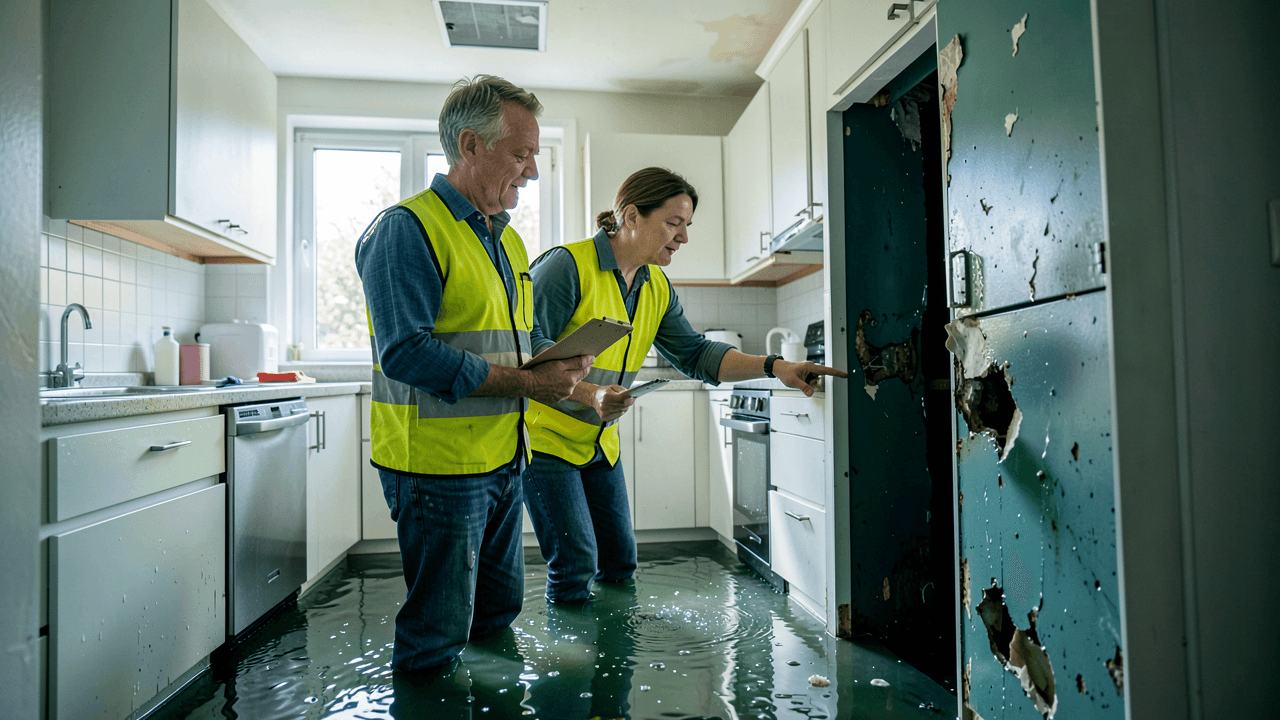
Water Damage Repairs Up 18% Q3 2025, Remodeling Cost Index Soars
On March 13 2026 industry analysts released fresh data showing that water‑damage repairs spiked by 18 % in the third quarter of 2025, while the remodeling cost index saw its highest rise in a decade. For homeowners, these numbers translate to higher bills, tighter budgets, and a pressing need to act fast when water problems arise. The news headlines may sound alarming, but with the right knowledge you can protect your home, keep costs under control, and navigate insurance claims more confidently. Below, we turn those trends into practical steps you can take right now.
Understanding the Current Trend
The surge in water damage repairs reflects a combination of aging infrastructure, increased rainfall, and the fact that many homeowners have been holding off on needed upgrades for years. Meanwhile, the remodeling cost index – a composite measure of labor, materials, and supply chain pressures – climbed 7 % in Q3 2025, setting a new benchmark for project budgets. For stressed homeowners, the key takeaway is that timing matters. If you can start repairs before the end of the year, you might lock in lower rates. Use a detailed water damage guide to assess your risk and create a phased plan. A proactive approach can reduce both the immediate expense and the long‑term impact on your insurance premium.
Why Water Damage Claims Are Rising
Water damage claims are up for several reasons: older pipes, roof leaks, and rising household water usage during the pandemic. If a leak goes unnoticed for days, mold spores can proliferate, and the restoration work expands dramatically. The first step after a leak is to shut off the water supply at the main valve – this stops further damage and saves on insurance deductibles. Next, document everything: take photos, note the time, and record any visible mold or structural concerns. When you call your insurer, provide this evidence immediately. A well‑documented claim process often leads to quicker approvals and less paperwork, which means lower out‑of‑pocket costs.
How the Remodeling Cost Index Affects Your Budget
The remodeling cost index is a gauge of how labor, materials, and permits fluctuate. It doesn’t just affect your contractor’s bill; it influences your insurance deductible and potential claim limits. Here’s how to adapt:
- Get multiple bids and compare not only price but the scope of work.
- Prioritize essential upgrades (e.g., new plumbing, roof replacement) before cosmetic changes.
- Use a mold remediation guide to understand when professional treatment is mandatory to meet insurer requirements.
- Consider energy‑efficient materials that may have a higher upfront cost but lower utility bills and possible tax credits.
Planning Your Remodeling Project During a Cost Surge
When the remodeling cost index climbs, every dollar counts. Start by mapping out a project timeline that aligns with your budget. If you can schedule work during off‑season months (late fall or early spring), you often get better contractor rates and material discounts. For a kitchen remodel, for instance, keep the following in mind:
- Stage the project – handle plumbing first, then cabinetry, then finishes.
- Use a material “buy‑now, pay later” program offered by many retailers to spread out cash flow.
- Ask your contractor for a fixed‑price contract to avoid surprises if the remodeling cost index spikes mid‑project.
- Check if your insurance policy covers “home improvement” as an upgrade rather than a claim, which can sometimes provide a deductible discount.
Insurance and Claim Tips for Water Damage
Insurance companies are wary of large claims when the remodeling cost index is high. Here are specific tactics to keep your claim smooth:
- Submit a written statement from the contractor detailing the scope, materials used, and any warranty information.
- Request a pre‑repair inspection from the insurer; this can prevent costly “post‑inspection” escalations.
- Keep a log of all expenses – receipts, invoices, and contractor estimates – to support your claim and future tax deductions.
- Ask if a deductible waiver is available for water damage during a high‑index season; some insurers offer this as a loyalty benefit.
Preventing Future Water Damage
Prevention is the most cost‑effective strategy when the remodeling cost index is climbing. Regular maintenance can catch problems before they explode into expensive repairs:
- Inspect roof shingles annually; replace any that are curling or cracked.
- Schedule a seasonal plumber check to ensure your main water line and drainage systems are clear.
- Install a smart leak detector that alerts you via your phone; many models integrate with home automation systems.
- Use water‑resistant building materials in high‑humidity areas such as bathrooms and basements.
- Keep an up‑to‑date water damage checklist handy for quick reference during emergencies.
Managing Labor and Material Costs
With the remodeling cost index rising, labor rates can increase by 3–5 % annually. To mitigate:
- Hire local subcontractors who can often provide more competitive rates.
- Negotiate a clear payment schedule that aligns with project milestones.
- Ask your contractor to source materials in bulk or through wholesale channels to reduce mark‑ups.
- Request a contingency allowance (usually 5–10 %) to absorb unforeseen cost spikes.
- Consider a fixed‑price arrangement for critical phases like electrical or plumbing; this locks in cost regardless of index fluctuations.
Frequently Asked Questions
Q1: How does the remodeling cost index affect my homeowner’s insurance?
A1: When the index rises, insurers may adjust their coverage limits or premiums. However, if you proactively update your policy and provide detailed documentation of any upgrades, you can often negotiate favorable terms.
Q2: What immediate steps should I take after a water leak?
A2: Shut off the main water valve, document the damage with photos, contact your insurer, and call a licensed contractor for a rapid assessment. Avoid DIY fixes that can worsen the problem.
Q3: Can I claim mold remediation costs if the mold was caused by a recent water incident?
A3: Most policies cover mold removal if it results directly from a covered water event. Provide the insurer with a professional mold assessment and remediation plan to ensure full coverage.
Q4: Is it better to remodel during the summer or winter?
A4: Off‑season months (late fall or early spring) often bring lower labor rates and material discounts, especially when the remodeling cost index is at a peak.
Take Control of Your Home’s Future
When water damage repairs are up 18 % and the remodeling cost index soars, the most powerful tool in your arsenal is information. Use the resources above to assess risk, document damage, negotiate fair prices, and keep your insurance claims moving forward. At Restoration Companion, we help homeowners navigate every step of the restoration and remodeling process—from initial inspection to final touches—ensuring you get the best value and the safest outcome. Let us partner with you to protect your home and your peace of mind.