South Hadley School’s $1.4M Mold Cleanup Highlights 2026 Costs
South Hadley High School’s $1.4 million mold cleanup last year shows how quickly remediation costs can skyrocket. Find out how to budget for a similar project in your home.
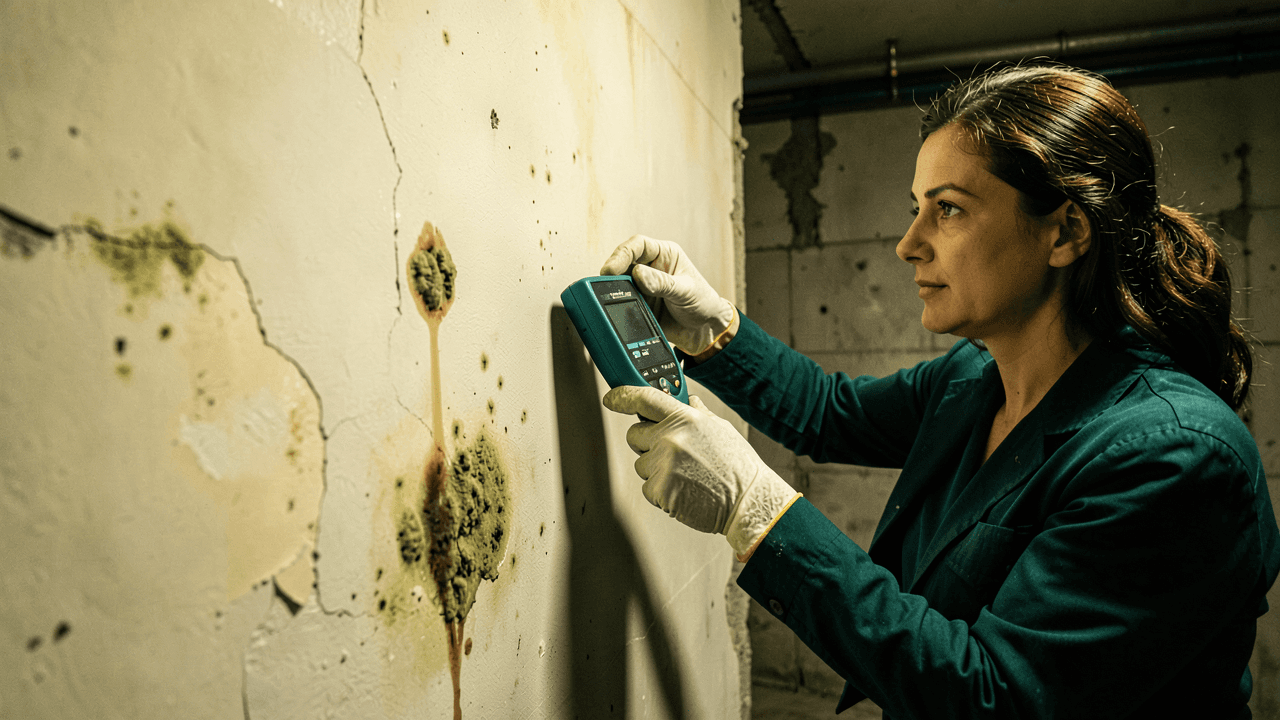
Mold Remediation Cost: What Homeowners Need to Know
When the South Hadley School’s $1.4 million mold cleanup made headlines, many homeowners were reminded of how quickly mold can turn a quiet property into a costly problem. The headlines may focus on schools and budgets, but the same principles apply to your home. Understanding mold remediation cost is the first step toward protecting your family, your investment, and your peace of mind.
What Drives Mold Remediation Cost?
In 2026, the average cost for a medium‑size mold project (10–30 sq ft) hovers around $2,500, but prices can range from $500 for a small bathroom fix to more than $30,000 for whole‑house remediation. Several factors influence this range:
- Extent of contamination – Surface patches vs. hidden growth in walls.
- Building materials – Wood, drywall, or carpet can increase labor and disposal fees.
- Location and accessibility – Tight spaces or high ceilings add to the time needed.
- Local labor rates and equipment – Urban areas or regions with a high cost of living may charge more.
- Insurance coverage – Some policies cover only portions of the cleanup.
These variables mean that mold remediation cost is highly individualized. The best way to get a realistic estimate is to begin with a professional inspection and then review a detailed proposal that itemizes each step.
Step‑by‑Step Guide to Estimating Your Mold Remediation Cost
Below is a practical checklist that homeowners can use to prepare for an inspection and budget accordingly. This checklist turns a vague “I need help” into a concrete plan.
- Identify the source – Inspect bathrooms, basements, and crawl spaces for leaks, condensation, or water damage.
- Check HVAC and ductwork – Moisture can accumulate in vents; consider a pre‑inspection of the system.
- Take photos and measurements – Document affected areas for the contractor’s assessment.
- Gather previous reports – If you had a previous cleanup, bring the documentation.
- Ask for a detailed quote – Ensure the proposal lists labor, materials, containment, testing, and disposal.
- Verify credentials – Contractors should be certified and hold liability insurance.
With these steps completed, a contractor can give you a more accurate mold remediation cost and identify potential savings, such as using less expensive materials or limiting the scope to high‑risk zones.
Common Mistakes That Inflate Mold Remediation Cost
Even well‑intentioned homeowners can inadvertently increase expenses. Avoid these pitfalls:
- Skipping a professional inspection – DIY testing often misses hidden growth.
- Underestimating the scope – Treating only visible mold ignores spores that have spread.
- Choosing a contractor based solely on price – Low bids may indicate shortcuts or sub‑standard materials.
- Ignoring the need for containment – Poor containment can lead to contamination of other rooms and higher costs.
- Overlooking insurance claim requirements – Missing documentation can delay or deny coverage.
By checking off each item on the list, homeowners reduce the risk of hidden charges and ensure the remediation is thorough and compliant with industry standards.
Insurance Claims: How to Maximize Your Coverage
Many homeowners assume that mold remediation is an out‑of‑pocket expense, but insurance can cover a significant portion if you follow the right procedures:
- Act quickly – Report the issue to your insurer within 24 hours to preserve coverage.
- Document everything – Photos, videos, and a written timeline support your claim.
- Obtain a contractor’s letter – A detailed estimate and scope of work will be required by the adjuster.
- Keep all receipts – Detailed invoices help the insurer verify the cost.
- Ask about mold coverage – Some policies exclude mold; check your policy or discuss an endorsement with your agent.
Failure to meet these criteria can result in denied or reduced coverage. A well‑prepared mold remediation cost claim not only speeds up payment but also protects you from additional costs associated with remediation delays.
Preventing Mold: Practical Homeowner Actions
After cleanup, the focus shifts to prevention. Implementing simple, cost‑effective strategies can keep mold at bay and reduce future mold remediation cost:
- Control humidity – Use dehumidifiers in damp areas; keep indoor humidity below 50%.
- Repair leaks promptly – Fix roof, plumbing, or HVAC leaks within 24–48 hours.
- Ventilate kitchens and bathrooms with exhaust fans.
- Use mold‑resistant paint and building materials in high‑risk areas.
- Inspect HVAC filters regularly and replace them every 3–6 months.
- Ensure proper drainage around foundations and gutters.
These habits not only protect your family’s health but also help you avoid the significant expense of future remediation. For a detailed home maintenance checklist, visit our Water Damage Guide.
Resources for Homeowners
When you’re ready to take the next step, consider these trusted resources:
- Mold Remediation Guide – A comprehensive reference for scope, costs, and best practices.
- Water Damage Guide – Learn how to address leaks and prevent mold.
- Contact RestorationCompanion – Get a free consultation and a no‑obligation estimate.
Remember, early detection and professional intervention can save you thousands in the long run.
Frequently Asked Questions
Q: How quickly should I start remediation after mold is discovered?
A: The sooner you act, the less mold can spread and the lower the mold remediation cost. Aim to begin within 24–48 hours.
Q: Will my homeowner’s insurance cover mold cleanup?
A: Coverage varies by policy. Most standard policies exclude mold; however, many insurers offer mold coverage as an endorsement. Verify with your agent and provide all documentation to the adjuster.
Q: Can I do the remediation myself to save money?
A: DIY cleanup is risky. Improper containment can spread spores, increasing the overall mold remediation cost and health hazards. It’s safer and often cheaper in the long run to hire certified professionals.
Q: What are the signs that I need a professional assessment?
A: Visible mold patches, a musty odor, or mold on hidden surfaces such as behind wallpaper or inside HVAC ducts indicate professional inspection.
Q: How can I lower the cost of future mold remediation?
A: Maintain low indoor humidity, repair leaks immediately, use mold-resistant materials, and schedule regular inspections.
Take Action Now – Protect Your Home and Health
Seeing a headline about a school’s multi‑million dollar mold cleanup can be alarming, but it also offers a clear lesson: mold remediation cost is real, but it can be managed with knowledge and preparation. By following the steps above, documenting your work, and working with certified contractors, you can reduce the financial burden and protect your family from the health risks mold poses.
Ready to get started? Reach out to RestorationCompanion today for a personalized consultation and an accurate estimate tailored to your home’s needs. Let us help you keep mold at bay and your budget on track.