SafeAir Mold Testing Releases New Black Mold Guide
SafeAir Mold Testing's February 2026 guide clarifies that black mold isn’t universally toxic, yet still poses health risks in damp homes.
SafeAir Mold Testing Releases New Black Mold Guide
On March 15, 2026, SafeAir Mold Testing announced the launch of its latest educational resource, “Black Mold vs Regular Mold: Key Differences and Health Risks in Your Home.” The guide is aimed squarely at stressed homeowners who want clear, actionable steps for identifying, testing, and mitigating mold damage while navigating insurance claims. Below you’ll find a comprehensive, step‑by‑step playbook that draws on the latest research, real‑world case studies, and the company’s own testing protocols.
Is black mold toxic? Understanding the difference
When homeowners ask the question “is black mold toxic,” the answer is nuanced. According to a 2024 toxicology review in The Conversation, black mold (Stachybotrys chartarum) produces mycotoxins that can aggravate asthma and trigger allergic reactions, but the evidence linking it to a serious lung disease in children is weak and highly rare. The key takeaway for property owners is that black mold can pose health risks, but it is not a blanket “toxic disease” like some headlines suggest.
For your home, this means you should treat black mold with the same seriousness as any other mold: identify it, contain it, and remove it promptly. If you suspect black mold, don’t wait for symptoms to appear—action reduces both health risks and potential insurance disputes.
Recognizing black mold in your home
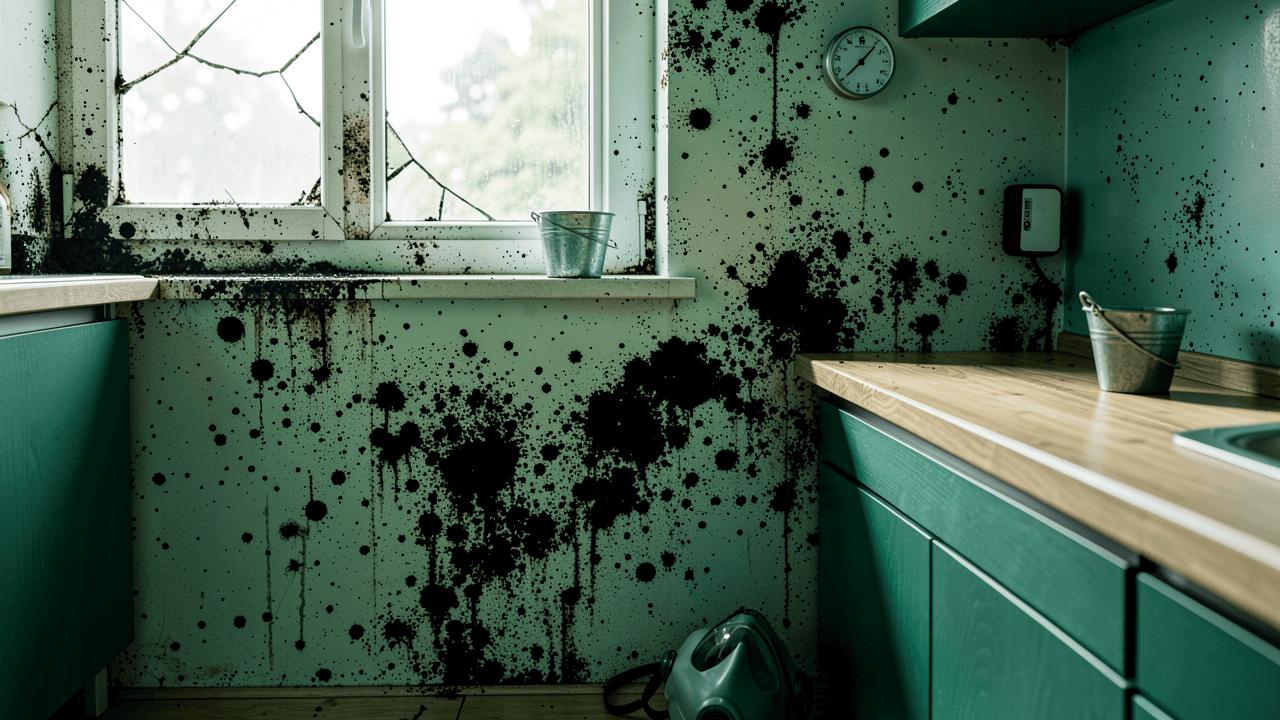
- Color & texture: Black mold often appears in deep green or black patches on walls, ceilings, or flooring. It looks fuzzy, but it can also blend into dark gray or brown surfaces.
- Odor: A musty, damp smell that lingers even after cleaning is a classic sign. Unlike mildew, which is lighter, black mold’s odor is usually more pungent.
- Health symptoms: Persistent coughing, wheezing, eye irritation, or unexplained headaches can indicate exposure. If any of these symptoms emerge after you’ve noticed mold, schedule a professional assessment right away.
- Location: Areas with high moisture—kitchens, bathrooms, basements, and crawl spaces—are the most common sites. Inspect behind appliances, under sinks, and around leaks.
Steps to confirm and document mold damage
Once you suspect mold, the next steps are critical for both restoration and insurance. Here’s a concise checklist:
- Document the area: Take high‑resolution photos and note the time and date. Highlight any visible growth in the captions.
- Test in person: SafeAir offers a “mold sampling kit” that can be shipped to your mailbox. The kit includes a dust collector, swab, and detailed instructions. If you’re unsure, contact our team for on‑site sampling.
- Maintain chain of custody: Keep all test kits sealed until you hand them to a certified lab. Many insurers require laboratory confirmation before approving claims.
- Review policy coverage: Print out your homeowner’s insurance policy and look for mold clauses. Some policies exclude mold unless it’s the result of a covered event (e.g., a burst pipe).
- Submit a claim early: The sooner you file, the sooner you can start remediation. Provide photos, test results, and a written description of the damage.
SafeAir’s guide explains that a documented, professional approach can save you time and money. Insurers are more likely to cover remediation if the claim shows evidence of a legitimate, covered incident rather than a vague “mold problem.”
How to control moisture and prevent mold recurrence
- Repair leaks immediately: Even a tiny roof leak can create a damp environment. Use our water damage guide to identify hidden leaks.
- Use dehumidifiers: Keep indoor humidity below 50%. In basements, consider a dedicated dehumidifier with a built‑in hygrometer.
- Ventilate: Install exhaust fans in bathrooms and kitchens, and run them during and after showers.
- Improve drainage: Ensure gutters and downspouts direct water at least 3–4 feet away from foundation walls.
- Seal gaps: Use caulk around windows, doors, and any other openings to keep moisture out.
Craig Spiesman’s recent tips on mold remediation emphasize consistent moisture control as the single most effective way to stop mold from returning. Apply these practices immediately after any cleanup to protect your investment.
What to do when you find black mold: Immediate actions for homeowners
Finding black mold is stressful, but a calm, systematic approach reduces risk to you and your property.
- Contain the area: Close doors and seal vents with plastic sheeting. If the mold is extensive, consider renting a temporary enclosure.
- Wear protective gear: Use gloves, a mask with a HEPA filter, and eye protection. Avoid inhaling spores.
- Do not vacuum: Vacuuming can disperse spores into the air. Instead, lightly dampen the surface with a detergent solution and wipe it down.
- Call a professional: Certified mold remediation specialists use HEPA vacuums, negative air machines, and decontamination protocols. Contact our mold remediation experts for a free estimate.
- Remove porous materials: If the mold has penetrated drywall, carpet, or insulation, replace these items entirely. Disposal must follow local hazardous waste guidelines.
Remember that even if the mold appears cosmetic, the underlying moisture issue must be addressed to avoid future outbreaks.
Insurance and claims: Getting the coverage you deserve
Once remediation is underway, the insurance claim can be the most confusing part. Here are three practical tips:
- Provide detailed documentation: Include before and after photos, test reports, and a copy of the remediation plan. Most insurers require this level of detail to approve payment.
- Ask for a pre‑inspection: Some carriers offer a free loss assessment. This can help you understand coverage limits before you pay for remediation.
- Keep a claim log: Record all communication with the insurer—dates, names, and summary of discussions. This log protects you if disputes arise later.
SafeAir’s guide highlights that the key to a successful claim is transparency. When the insurer sees a well‑documented, professional remediation effort, they are more likely to approve the full amount needed to restore your home.
Frequently Asked Questions
Q1: Is black mold toxic?
A1: While black mold can produce mycotoxins that may aggravate asthma and allergies, the evidence for it causing a serious lung disease in children is rare. Regardless, it should be treated promptly to protect health and property.
Q2: How do I know if I need a professional vs. DIY cleaning?
A2: If mold covers more than 10 square feet, or if you suspect it’s black mold, hire a certified professional. DIY cleaning is only suitable for small, isolated patches on non‑porous surfaces.
Q3: Will my homeowner’s insurance cover mold removal?
A3: Most policies cover mold removal if it results from a covered event, such as a burst pipe or flood. Always review your policy and document the incident to support your claim.
Q4: Can I test for mold at home?
A4: Home test kits can give preliminary results, but laboratory confirmation is needed for insurance purposes. SafeAir offers kits that ship directly to your door.
Q5: What steps should I take after remediation?
A5: Maintain low indoor humidity, repair any moisture sources, and schedule a follow‑up inspection to ensure mold does not return.
Take Control of Your Home’s Health Today
When mold appears, the sooner you act, the less damage you’ll suffer. By following the practical steps outlined above—documenting the problem, testing professionally, containing the area, and addressing the moisture source—you’ll protect both your family’s health and your property’s value. And if you need expert help with sampling, remediation, or insurance support, visit our website or explore our in‑depth mold remediation guide and water damage recovery guide. Let Restoration Companion turn your mold‑related stress into a smooth restoration experience. Your home deserves a healthy future, and we’re here to make it happen.