SafeAir Guide: Black Mold vs Regular Mold Unveiled
SafeAir’s new guide on black mold vs regular mold reveals that up to 30% of damp homes face serious health risks. Discover how to spot and prevent them before costly damage.
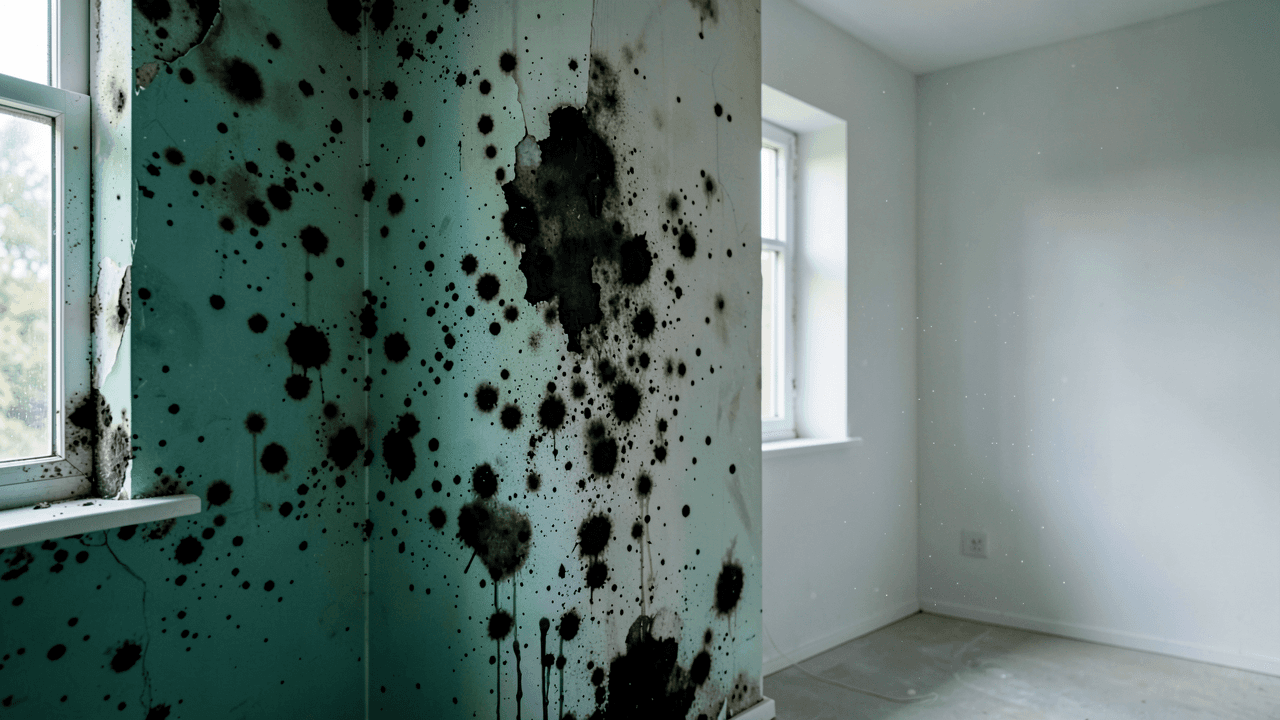
SafeAir Guide: Black Mold vs Regular Mold Unveiled
When a homeowner’s home starts to smell musty or spots of dark growth appear, the first question often asked is, “Is this black mold or just regular mold?” A recent headline from the Claims Journal highlighted how new technology can reduce accidents by giving drivers real-time data. Just as that technology helps keep roads safer, new testing methods and guides from SafeAir Mold Testing are helping homeowners identify and act on mold threats before they cause serious damage.
Understanding the Difference: Black Mold vs Regular Mold
At a glance, black mold (Stachybotrys chartarum) looks similar to other dark molds. However, the key differences lie in:
- Color & Texture: Black mold has a deep, almost slate-gray hue and can feel slimy, whereas regular mold is typically lighter and fuzzy.
- Spore Release: Black mold releases spores that can travel further, potentially settling on living surfaces.
- Growth Conditions: It thrives in damp, cellulose-rich materials like drywall or wood that have been waterlogged for more than 48 hours.
- Health Impact: While all mold can irritate, toxic black mold produces mycotoxins that can cause more severe respiratory issues.
Understanding these distinctions is the first step toward protecting your family and your investment.
Health Risks: Why It Matters
Both black mold and regular mold can trigger allergic reactions, but black mold’s mycotoxins can lead to:
- Persistent coughing or wheezing
- Headaches and fatigue
- Eye irritation or infections
- Exacerbated asthma attacks, especially in children and the elderly
Because the symptoms overlap, it is essential to get a professional test if you suspect mold. SafeAir’s new guide advises homeowners to call for an inspection early and often.
Property Damage: How Mold Impacts Your Home
Beyond health, mold can silently degrade structural integrity:
- Wet drywall expands, cracks, and may need replacement.
- Wood rot weakens framing, risking collapse.
- Moisture can corrode plumbing and HVAC systems.
Early detection can save thousands. For instance, the American Society of Home Inspectors estimates that routine mold inspections cut repair costs by 30% when addressed before widespread infestation.
Inspection & Testing: Know What You're Facing
When you notice suspicious growth:
- Document: Take clear photos and note the location.
- Keep the area sealed: Close doors or cover windows to limit spore spread.
- Call a licensed mold inspector: They can collect air and surface samples.
- Review the report: The test will differentiate between black mold and other species.
The SafeAir guide recommends choosing inspectors who offer both visual assessments and laboratory analysis. Many homeowners find it helpful to combine water damage checks with mold testing, since water intrusion often precedes mold.
Prevention Strategies: Stop Mold Before It Starts
Preventing mold is far cheaper than remediation. Follow these proven steps:
- Control moisture: Fix leaks, install dehumidifiers, and ensure proper ventilation in bathrooms and kitchens.
- Use mold-resistant building materials: In renovation projects, choose mold-resistant drywall or paint.
- Keep indoor humidity below 50%: Use hygrometers to monitor levels.
- Inspect basements regularly: Even a few drops of water can seed black mold.
- Remove mold promptly: Clean any visible growth with recommended solutions and replace porous materials if needed.
These measures not only protect health but also preserve property value.
Mold Removal & Restoration: Steps to Take
Once confirmed, follow a systematic approach:
- Contain: Seal off the affected area with plastic sheeting.
- Remove: Dispose of contaminated drywall, insulation, and other porous materials.
- Clean: Use EPA-approved mold removal products on non-porous surfaces.
- Dry: Employ industrial dehumidifiers and fans to reduce moisture.
- Repair: Replace removed materials and ensure new installations are mold-resistant.
- Verify: Conduct a post-remediation inspection to confirm mold is gone.
Professional mold remediation services often use HEPA filtration and negative air pressure to prevent spore spread. Homeowners can consult the restoration companion’s guide to choose the right contractor.
Insurance Claims: Navigating Coverage for Mold
Many homeowners fear that mold is excluded from insurance. The reality is nuanced:
- Check policy language: Most standard homeowner policies cover mold resulting from water damage if the claim is filed promptly.
- Document the cause: Provide evidence that mold growth is due to a covered peril, like a burst pipe.
- Maintain a timeline: Record when the problem was first noticed and when inspections were conducted.
- Get expert estimates: A licensed contractor can provide cost breakdowns that insurers often accept.
Open communication with your insurer and a thorough restoration report increase the likelihood of a successful claim. For detailed steps, refer to our contact page to connect with a specialist.
Frequently Asked Questions
What is the first sign that I might have black mold?
Black mold often appears as dark, water-stained patches that may smell like mildew. If the area feels damp and you notice any visible black streaks on walls or ceilings, schedule a professional inspection.
Can I just scrub it away with bleach?
Bleach can kill surface spores but will not remove mold from porous materials. For safe and thorough removal, hire a certified remediation professional.
Will my insurance cover mold removal?
Coverage depends on policy specifics and cause of the mold. Proof of water damage, prompt reporting, and a detailed restoration estimate are key for a favorable claim.
How often should I test for mold in a damp area?
After any significant water event, test within 24–48 hours. If you have a history of dampness, annual testing can catch early growth before it becomes severe.
Is mold a problem if it’s only in the attic?
Even attic mold can release spores into living spaces. It also indicates hidden moisture that can damage insulation and structural members.
Conclusion & Call to Action
Knowing the difference between black mold and regular mold equips you to protect your family’s health, safeguard your property, and navigate insurance claims with confidence. Use the tools and advice in this guide, schedule a professional inspection, and take action before mold spreads.
For more resources on water damage, mold remediation, and restoration, visit our water damage guide or our mold remediation guide. If you need help starting a restoration project, reach out through our website today.