Michigan Winter Storm Causes Water Damage After 1-3 ft Snow
The March 13‑16 Michigan Winter Storm dumped up to 3 ft of snow, leaving thousands of homes with water‑logged walls and mold risk.
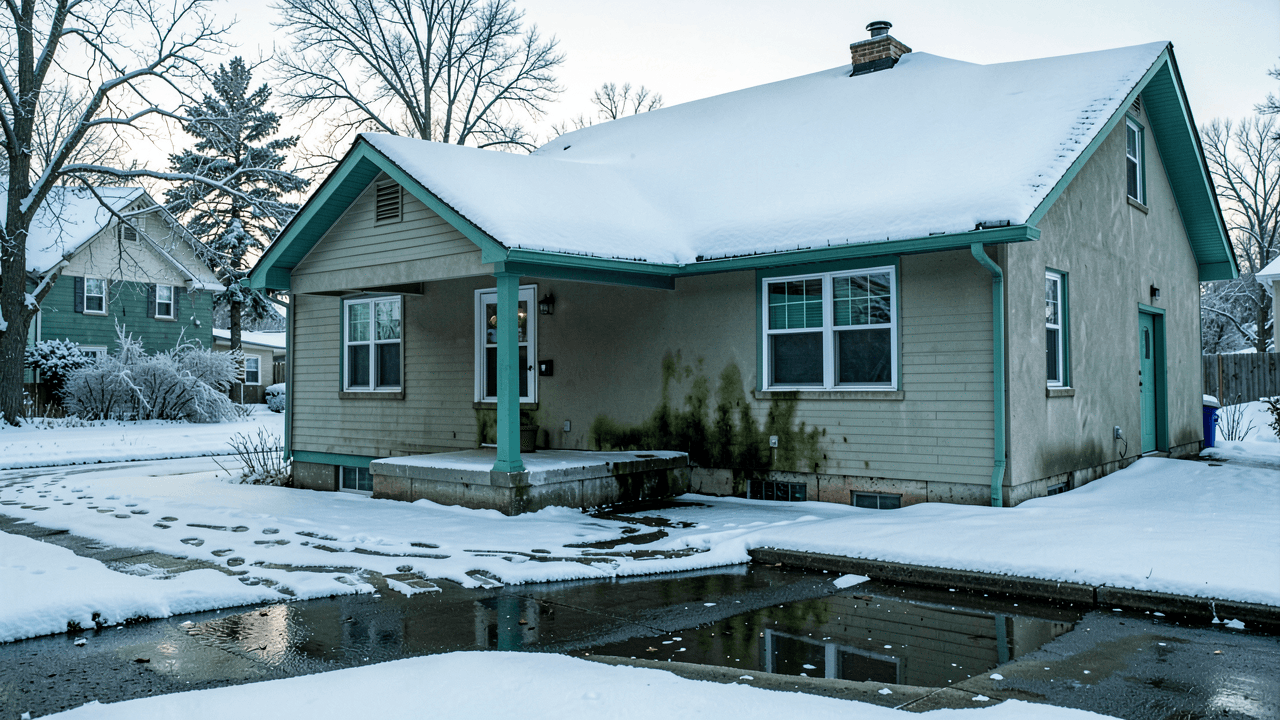
The Impact of the Michigan Winter Storm on Your Home
The recent “Michigan Winter Storm Iona” that brought 1‑3 feet of snow across the Upper Peninsula has already left many homeowners scrambling to protect their properties. While the headlines focus on travel disruptions and record snowfall, the real concern for families is the water damage that follows such heavy snow events. Ice dams, roof leaks, and collapsed gutters can introduce large volumes of water into basements, crawl spaces, and even interior walls. Understanding the most common damage pathways will help you take proactive steps before water infiltration worsens.
Common Water Damage from Heavy Snowfall
When a storm like this hits, homeowners typically encounter the following types of water damage:
- Ice Dams on Roofs: Thick layers of snow melt and refreeze at the eaves, forcing water back onto the roof and into attics.
- Gutter Blockage: Snow and ice can clog downspouts, preventing proper drainage.
- Foundation Cracks: Excess weight and freezing temperatures can crack slab foundations, letting water seep in.
- Plumbing Breakage: Pipes that are already stressed can rupture when temperatures swing from sub‑freezing to above freezing.
These issues can quickly lead to structural damage if not addressed promptly.
Immediate Steps to Protect Your Property
Homeowners should act within the first 24 hours to minimize water entry:
- Inspect Roof and Gutters: Remove snow and ice from gutters. Use a ladder to access roof eaves and look for visible ice dams.
- Check Windows and Doors: Seal any gaps with weather‑stripping or temporary packing tape.
- Inspect Foundations: Look for cracks or water stains in basements and crawl spaces. Place a bucket under exposed pipes to catch any leaks.
- Turn Off Electricity in Water‑Affected Areas: Prevent electrical hazards until water levels are controlled.
- Use a Dehumidifier: Begin dehumidifying rooms that may have gained moisture.
These quick actions can prevent the snow‑related water from turning a minor leak into a costly basement flood.
Preparing for Power Outages and Ice
The storm’s strong winds and ice have already forced power outages in several counties. A lack of electricity complicates drying and mold prevention:
- Keep Lights Off: Reduce moisture from condensation on surfaces.
- Keep Doorways Open: Allow airflow between rooms to help dry walls.
- Use Portable Generators Safely: If you must power essential appliances, keep generators outdoors and away from windows.
- Keep Refrigerators Closed: Maintain a cool temperature for stored food.
Following these practices helps keep your home’s interior environment stable during outages.
Managing Interior Water Damage
Once you notice water in a basement or crawl space, you need to act quickly to limit spread:
- Contain the Water: Use a wet‑vacuum or shop vacuum to remove standing water.
- Elevate Furniture: Move movable items off the floor to avoid moisture damage.
- Remove Wet Materials: Dispose of wet carpets, drywall, and insulation promptly to reduce mold risk.
- Ventilate Rooms: Open windows and use fans to promote air circulation.
- Monitor Moisture Levels: Use a hygrometer to ensure humidity stays below 50%.
These steps reduce the potential for mold growth and structural damage.
Mold Prevention and Remediation
Mold can appear within 24–48 hours of dampness. The best way to keep it from taking hold is to dry surfaces thoroughly and address any hidden moisture:
- Use Air Movers: Position portable air movers next to damp walls or floors.
- Seal Off Affected Areas: If mold is visible, isolate the area to prevent spores from spreading.
- Apply Mold‑Resistant Paint: After surfaces dry, use paint containing mold inhibitors.
- Seek Professional Help: For extensive mold, contact a certified remediation team. Learn more at our mold‑remediation guide.
Early intervention saves both money and health.
Insurance Claims and Documentation
Many homeowners assume their policy automatically covers storm damage, but you need to be organized to receive timely compensation:
- Document Damage: Take photos and video of every affected area before cleaning.
- Keep Receipts: Save all costs for temporary repairs, dehumidifiers, and professional services.
- Contact Your Insurer Quickly: Report the loss within the timeframe specified in your policy.
- Get a Professional Estimate: An independent contractor can provide a detailed repair quote that the insurer may require.
- Use Online Claim Portals: Many carriers allow you to upload evidence directly to your claim file.
Proper documentation ensures you receive the coverage you’re entitled to.
When to Call a Professional Restoration Team
Some tasks are beyond a homeowner’s skill set or equipment. Recognizing when to hire professionals will prevent damage from worsening:
- Large Water Volume: If more than a few gallons have accumulated, a professional water‑removal team is necessary.
- Structural Damage: Cracked foundations or roof damage require structural assessment.
- Persistent Moisture: If humidity stays high after 48 hours, remediation may be needed.
- Complex Mold Issues: Visible mold beyond 5% of a room’s surface area should be handled by experts.
Professional restoration experts can also provide guidance on insurance claim submissions.
Frequently Asked Questions
Q: How soon after a storm should I begin drying my basement?
A: Start within 24 hours. The longer water sits, the higher the chance of mold and structural damage.
Q: Can I use my regular household dehumidifier for a flooded basement?
A: Use a commercial‑grade dehumidifier that can handle larger volumes. If you’re unsure, consult a restoration professional.
Q: What should I do if I discover hidden mold after the storm?
A: Seal off the area, keep it ventilated, and contact a mold remediation specialist promptly.
Q: Will my homeowner’s insurance cover roof repairs for ice dam damage?
A: Most policies cover damage from ice dams if they meet the coverage criteria. Review your policy or speak with your agent.
Q: How can I prevent future ice dam formation?
A: Maintain proper attic insulation and ventilation. Remove excess snow from roof edges as soon as possible.
Take Action Now to Protect Your Home
The “Michigan Winter Storm Iona” headline may headline the news, but the real story is the water damage it can create. By inspecting your roof, clearing gutters, sealing windows, and drying interiors promptly, you can reduce the impact and protect your investment. If the damage is beyond what you can handle, reach out for professional help. For detailed guidance on water damage restoration, mold remediation, and insurance claims, visit our resources at water‑damage guide and mold‑remediation guide. Ready to start the restoration process? Connect with us through our contact page and let Restoration Companion assist you every step of the way.