Hundreds Rescued, Thousands Evacuated in Hawaii Flood
Over 230 people were rescued as the Hawaii flash flood swept across Oahu, displacing thousands and damaging countless homes. If your property has been hit, know how to start recovery right away.
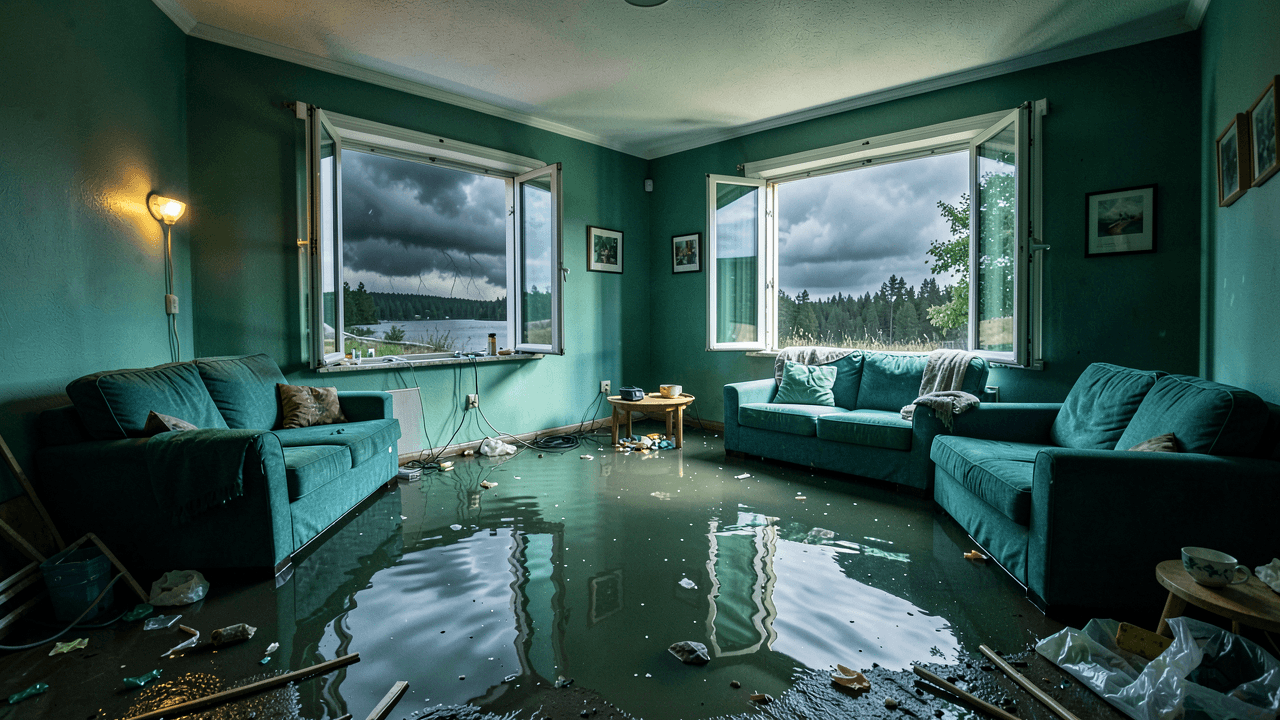
Hundreds Rescued, Thousands Evacuated in Hawaii Flood
The headlines have captured national attention: “Hundreds rescued, thousands evacuated in Hawaii as worst flooding in two decades continues.” Behind the numbers, the reality for homeowners is urgent: homes were inundated, foundations shifted, and the threat of mold and structural failure looms large. This post uses the latest news as a catalyst to guide stressed homeowners through the critical steps of damage assessment, insurance filing, and professional restoration.
Understanding Hawaii Flash Flood Risks and Homeowner Preparedness
Hawaii flash flood events—often triggered by intense, short‑duration rainfall—can turn even sturdy homes into disaster sites in minutes. The most recent hawaii flash flood incidents on the Big Island and Oahu have underscored the need for a proactive plan. If you live in a flood‑prone area, start by reviewing your property’s flood zone status with the U.S. Geological Survey and the Federal Emergency Management Agency (FEMA). Knowing whether your property falls within a 100‑year floodplain will shape both your insurance coverage and your mitigation strategy.
Immediate Safety Steps During a Flash Flood
When you hear a flash flood warning, don’t wait for a formal evacuation order. Follow these safety steps to protect yourself and your family:
- Move to higher ground immediately. If you’re in a lower‑lying area, head to a roof, upper floor, or a designated evacuation center.
- Turn off utilities. Power, water, and gas should be shut off if possible to prevent electrocution or gas leaks.
- Avoid driving through flooded roads. One foot of water can hide deep cracks; two feet can submerge a vehicle.
- Use a wet/dry vacuum to remove standing water. If a professional isn’t available yet, this can reduce moisture before mold sets in.
- Document the flood impact. Take photos and video from multiple angles to preserve evidence for insurance claims.
Assessing Property Damage After a Flash Flood
Once the water recedes, you must conduct a thorough assessment before you begin restoration work. Here’s a checklist to ensure you capture all critical damage:
- Exterior walls and foundation. Inspect for cracks, bulges, or standing water. Check the footing for signs of erosion.
- Roof integrity. Look for missing shingles, sagging areas, or water seepage behind flashing.
- Electrical system. Have a licensed electrician test outlets, panels, and any exposed wiring.
- HVAC and ductwork. Moisture can cause the furnace or cooling unit to short circuit or promote mold growth.
- Interior walls and flooring. Use a moisture meter to identify hidden damp spots. This is especially crucial in crawl spaces and basements.
- Appliances and fixtures. Test for water damage or electrical issues.
- Outdoor landscaping. Check drainage ditches, retaining walls, and erosion control measures.
Document every finding with dates, photographs, and written notes. This evidence will be vital when you file your insurance claim.
Preventing Secondary Damage and Mold
After initial cleanup, you must prevent secondary damage that can double the cost of restoration:
- Dry the property quickly. Commercial dehumidifiers and high‑speed air movers can reduce moisture levels by 60–70% in 48 hours.
- Keep doors and windows open. This promotes airflow and speeds drying.
- Use a mold remediation guide for guidance on safe removal. Mold can start developing within 24–48 hours on damp surfaces.
- Remove and replace damaged materials. Wet drywall, carpeting, or insulation that shows visible moisture should be discarded.
- Monitor humidity. Maintain indoor relative humidity below 45% with dehumidifiers or HVAC systems.
Working With Insurance to Expedite Your Claim
Insurance can be a maze after a flood, but a systematic approach can cut delays:
- Notify your insurer promptly. Many policies require a report within 24–48 hours to qualify for coverage.
- Provide a detailed damage inventory. Use the Water Damage Restoration Guide as a template to list every affected item.
- Keep receipts and receipts. Document all emergency expenses (e.g., temporary housing, rental appliances).
- Schedule an adjuster visit. Prepare a map of your property showing all damaged areas for the adjuster’s review.
- Ask about restoration discounts. Some insurers offer rebates for using licensed contractors who adhere to industry standards.
If you encounter disputes, remember that you can file a formal complaint with the state insurance department or pursue mediation.
Choosing a Certified Restoration Contractor
When you’re ready to hire a restoration firm, consider these criteria to ensure quality and accountability:
- Credentials. Look for BICSI, IICRC, or local certifications.
- Insurance and bonding. Verify that the contractor carries general liability and worker’s compensation.
- Experience with flash flood cases. Ask for case studies or references from similar projects.
- Transparent pricing. Obtain a written estimate that breaks down labor, materials, and equipment.
- Clear communication. A reputable firm will keep you updated on progress and any potential delays.
Use the link Contact Us to request a free consultation and learn how we handle hawaii flash flood restoration specifically.
Ongoing Monitoring and Long‑Term Repairs
Even after visible damage disappears, hidden structural issues can surface later. Follow these long‑term measures:
- Regular foundation checks. Inspect for new cracks or settling every six months.
- Maintain drainage systems. Clear gutters, downspouts, and French drains regularly.
- Install a sump pump backup. In flood zones, a battery‑powered backup can save your home during power outages.
- Upgrade landscaping. Use native plants that absorb excess water and reduce runoff.
- Schedule annual inspections. A professional can spot early signs of moisture intrusion or mold.
Frequently Asked Questions
Q: How soon should I file my insurance claim after a flash flood?
A: Most policies require notification within 24–48 hours. Delays can jeopardize coverage, especially for secondary damage.
Q: Can I remove flooded drywall myself?
A: It’s possible, but be sure to wear protective gear and use proper decontamination techniques. For large areas, hiring professionals ensures safe mold prevention.
Q: What if my insurance denies coverage for certain damage?
A: Review the policy’s exclusions and request a written explanation. You may appeal or file a complaint with the state insurance commissioner.
Q: How can I protect my home from future flash floods?
A: Implement structural upgrades such as reinforced foundations, install a sump pump, improve drainage, and maintain a flood insurance policy if your property is in a high‑risk zone.
Q: Is mold removal always necessary after flooding?
A: If moisture levels remain above 20% for more than 48 hours, mold is likely to develop. Professional mold remediation is recommended for large or persistent moisture issues.
Take Action Today
Don’t let the aftermath of a hawaii flash flood overwhelm you. By following the steps above—documenting damage, filing timely claims, selecting a certified restoration team, and investing in preventive upgrades—you can protect your home and recover efficiently. For personalized guidance, expert restoration services, and peace of mind, visit Restoration Companion. Let us help you rebuild stronger and safer.