Fuel Surcharge Expected to Rise: Water Damage Costs Jump
Brent crude prices have surged past $114 a barrel, driving fuel surcharges up and pushing water damage restoration costs higher. Homeowners need to factor these spikes into insurance claim estimates.
Fuel Surcharge Expected to Rise: Water Damage Costs Jump
The recent uptick in global fuel prices is a headline that many news outlets have covered, but for homeowners, the real concern is how this will translate into higher costs for water damage repairs and restoration services. While the phrase fuel surcharge expected to rise is often associated with transportation and shipping, the ripple effect is reaching local contractors and restoration companies that rely on diesel-powered trucks and generators. When fuel costs climb, so do the prices for the equipment and labor that get your home back to its pre‑damage condition. Understanding how these changes affect you—and what steps you can take now—can help keep your restoration budget under control.
Why the Rising Fuel Surcharge Matters to Your Home Repairs
When the news headlines note that “FuelSurchargesAre Here — Freight CostsRisingFrom Monday 16” and that diesel prices have spiked by 50–60 cents, it’s a clear sign that restoration companies will need to raise their rates. Most water damage restoration jobs involve transporting large equipment, such as dehumidifiers, air movers, and water extraction units, across town. Higher fuel costs increase the overall expense of a job, and contractors often pass that on to homeowners. However, there are ways to mitigate these increases before they hit your bill.
- Get a Detailed Estimate: Ask your restoration contractor to break down the cost of equipment, labor, and fuel separately. A transparent estimate helps you see where the price is rising.
- Schedule Repairs Strategically: If you have flexibility, request that the contractor schedule the most fuel‑intensive parts of the job during off‑peak hours when diesel prices may be slightly lower.
- Consider Local Contractors: Working with a company that has a smaller service area can reduce the amount of travel required, lowering the fuel component of the job.
Assessing Water Damage Early to Avoid Extra Costs
One of the most effective ways to protect yourself from rising fuel surcharges is to act quickly. Delays in addressing water damage can lead to mold growth, structural weakening, and more extensive repairs. The Water Damage Guide recommends the following immediate steps:
- Locate the Source: Identify and stop the leak—whether it’s a burst pipe, a clogged dryer vent, or roof damage—before the water spreads.
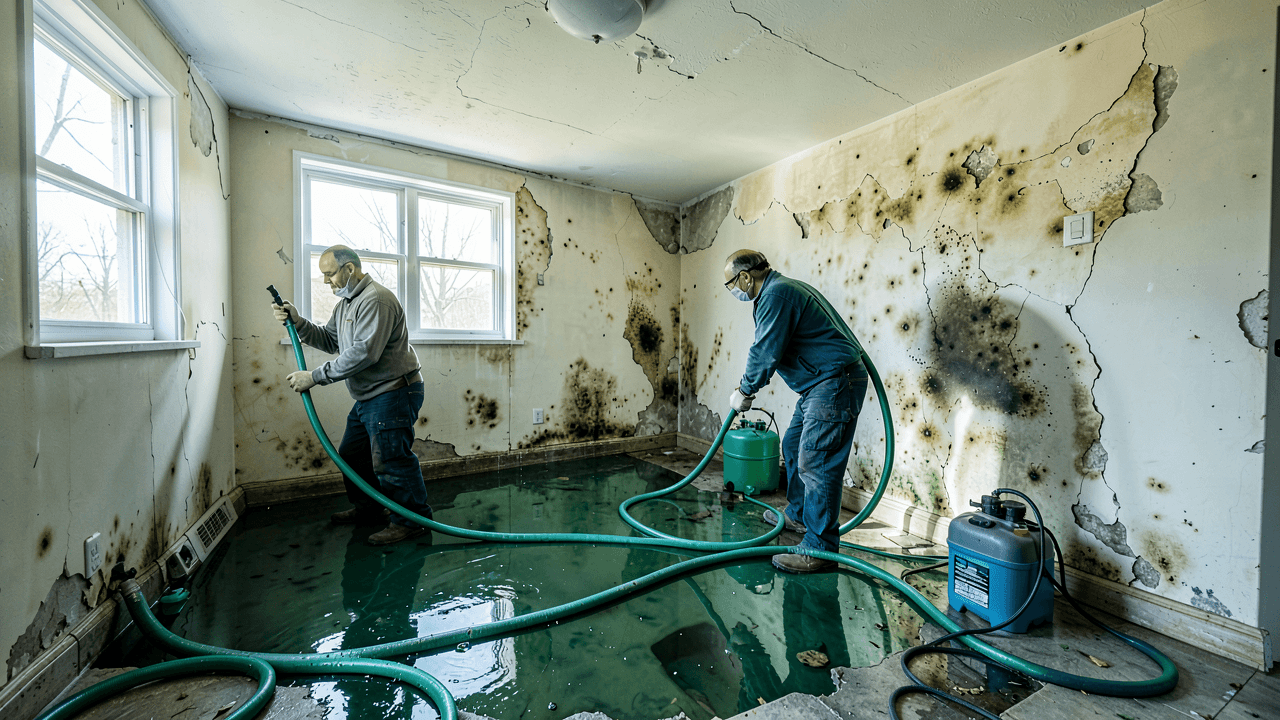
- Remove Standing Water: Use wet/dry vacuums and shop‑available pumps. The faster you clear the water, the less drying equipment your restoration contractor needs to use.
- Document Damage: Take photos and keep receipts for any temporary repairs you make. This documentation will be useful when you file an insurance claim.
By addressing the problem promptly, you reduce the amount of time restoration equipment must operate, thereby limiting the fuel impact on your repair bill.
Insurance Claims: Getting the Most Out of Your Policy Amid Rising Costs
Many homeowners assume that insurance will cover the entire cost of water damage repairs, but rising fuel surcharges can inflate the overall bill beyond what the insurer will pay. It’s essential to understand what your policy covers and how the restoration contractor can work within those limits. Follow these steps to make the process smoother:
- Notify Your Insurer Immediately: Provide a detailed written report of the damage and the estimated costs, including fuel-related fees.
- Request a Pre‑Approval: Ask the restoration company to submit a pre‑approval request for the estimated costs so you’re not hit with a surprise after the work is completed.
- Use a Preferred Contractor: Many insurers have a list of approved contractors that are familiar with filing claims and can streamline the process.
In addition, consider adding “water damage restoration” to your policy’s coverage if it’s not already included. This can help mitigate the impact of increased fuel surcharges on your out‑of‑pocket expenses.
Choosing the Right Restoration Company During a Fuel Surge
When you’re searching for a restoration contractor, look for companies that have a reputation for transparency and value. Pay attention to how they handle the rising cost of fuel and whether they offer any alternative solutions, such as:
- Fuel‑Efficient Equipment: Some contractors use newer, more fuel‑efficient models that consume less diesel, reducing the overall cost.
- On‑Site Power Generators: Instead of transporting heavy generators to the site, some companies keep a smaller, portable unit on site, saving fuel and time.
- Bulk Shipping Arrangements: A contractor that consolidates multiple jobs in one trip can spread fuel costs across several projects, lowering the expense for each homeowner.
When you review estimates, ask specifically how the contractor plans to manage the fuel surcharge and whether any discounts or payment plans are available.
Maintaining Your Home to Prevent Future Water Damage
Beyond immediate repairs, prevention is your best defense against costly future restorations. Use these maintenance tips to keep your home dry and reduce the likelihood of a flood or leak:
- Inspect Gutters and Downspouts: Clean them annually to ensure proper water flow away from the foundation.
- Seal Windows and Doors: Check for gaps that could allow water intrusion during heavy rain or storms.
- Check Roof Shingles: Replace damaged or missing shingles promptly to avoid leaks.
- Test Your Plumbing: Schedule a professional inspection of all pipes, especially those in basements and crawl spaces.
Regular maintenance not only protects your property but also helps keep restoration costs—and the associated fuel surcharge—at bay.
FAQ: Fuel Surcharge and Water Damage Restoration
Frequently Asked Questions
Q: Will the fuel surcharge increase the cost of my water damage restoration?
A: Yes, the cost of diesel-powered equipment and transportation can rise, but many contractors will adjust their estimates to reflect current fuel prices. Ask for a detailed breakdown to see how much of the increase is due to fuel.
Q: Can I negotiate the fuel surcharge with my restoration company?
A: You can ask the contractor to provide a fuel‑efficient solution or negotiate a fixed rate for the entire job. Some companies may offer a discount if you schedule the work during off‑peak hours.
Q: How does the fuel surcharge affect my insurance claim?
A: The insurance payout typically covers the actual repair cost, including equipment and labor. If the surcharge is included in the estimate, the insurer may still cover it, but you should confirm this with your agent before work begins.
Q: Are there alternative restoration methods that use less fuel?
A: Yes, companies that use electric or hybrid equipment can reduce fuel usage. Inquire about the type of equipment the contractor uses before hiring.
Q: Should I wait for fuel prices to stabilize before scheduling repairs?
A: Delaying can lead to mold growth and structural damage, which will increase overall costs. It’s generally safer to act quickly and work with a contractor that can provide a clear estimate.
Take Action Now — Don’t Let Rising Fuel Costs Delay Your Restoration
If you’re dealing with water damage, the best time to act is now. Reach out to a trusted restoration professional who can provide a transparent estimate that includes fuel surcharge considerations. Use our Mold Remediation Guide to prepare for any secondary damage and contact us for a free consultation. We’re ready to help you navigate these rising costs and restore your home quickly and safely. Remember, prompt action can save you money and protect your family’s health—so don’t wait until the next surge in fuel prices hits your restoration bill.