California Homes Face Bare-Bones Coverage as Wildfires Loom
California homeowners now face bare‑bones coverage as insurers exit lower‑risk fire zones, raising the stakes for those negotiating with adjusters. Knowing what to tell your insurance adjuster can make the difference between a quick payout and a prolonged dispute.
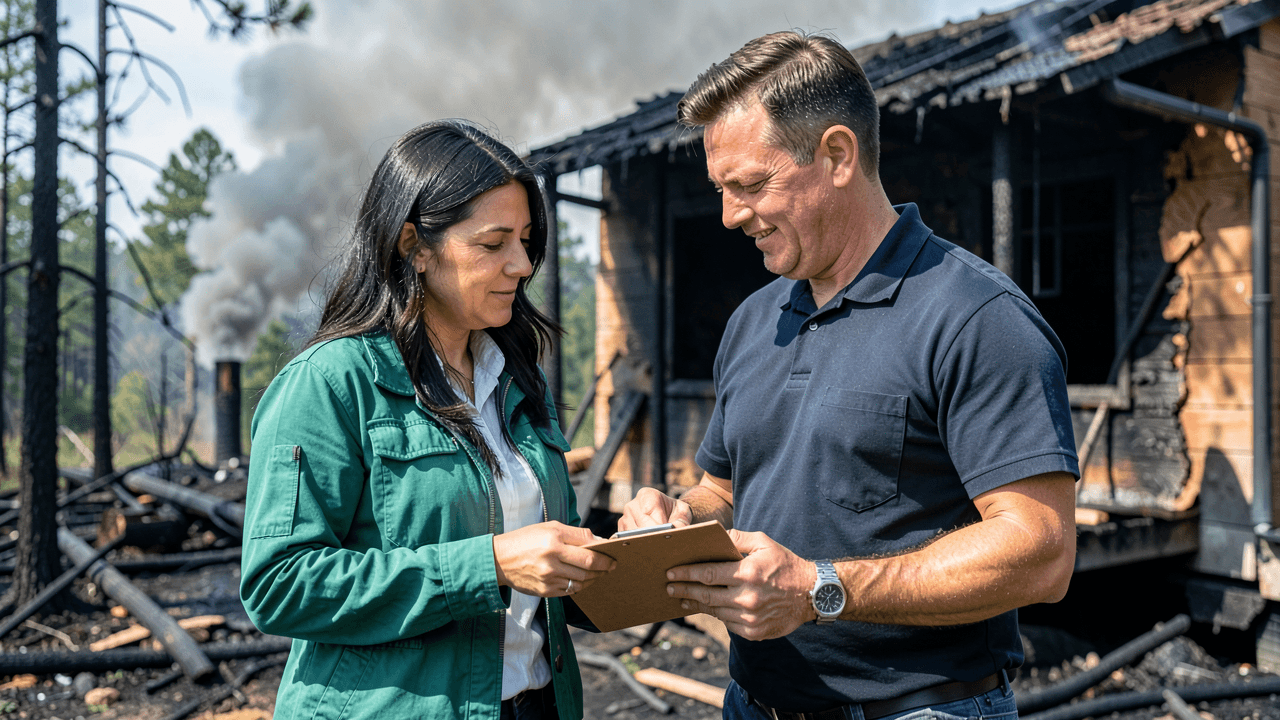
California Homes Face Bare-Bones Coverage as Wildfires Loom
The latest headline, “Even Low‑Risk Homes Are Caught Up in California’s Climate Insurance Crisis,” reminds every homeowner that insurance gaps can appear overnight, even when the fire risk seems minimal. While the news may trigger fear, it also provides a vital reminder: the moment a policy ends or a coverage limit is reached, the responsibility for damage falls back on you. Below, we translate this unsettling reality into concrete actions that protect your home and give you a clear path to rebuild.
1. Understand Your Coverage Limits
Many homeowners assume their policy covers all wildfire damage, but state‑issued “bare‑bones” policies often only cover the structure’s basic shell—walls, roof, and foundation—while excluding interior contents, landscaping, or reconstruction beyond a certain dollar amount. Take the time now to:
- Read every clause in your policy, especially the wildfire exclusion and the “basic” coverage language.
- Ask your insurer what the deductible is and whether it’s a flat amount or a percentage of the property value.
- Check if your policy includes “in‑landscape” coverage or if it’s limited to the building alone.
- Determine the maximum payout limit. If your home is worth more than that, you’ll be short‑changed unless you supplement coverage.
If you discover gaps, consider adding a wildfire endorsement or purchasing a separate policy that covers landscaping, personal belongings, and rebuilding costs.
2. Documenting Damage Before It Escapes
Wildfire damage can spread faster than you notice. The sooner you record evidence, the stronger your claim. Follow this checklist:
- Take high‑resolution photos and videos of every affected area, both interior and exterior. Use a time stamp feature if available.
- Make inventory lists of damaged items: brand, model, purchase date, and approximate value. A simple spreadsheet works.
- Collect utility bills and maintenance receipts that prove regular upkeep—this can help establish that damage was not due to neglect.
- Use an app or online tool like water‑damage documentation to capture and organize your evidence.
- If possible, secure damaged items in a clean, dry area to prevent further deterioration before restoration begins.
Having a thorough, organized record reduces the chances that an adjuster will question the legitimacy of your claim.
3. Communicating Effectively with Your Adjuster
When an adjuster arrives, you may feel rushed, overwhelmed, or skeptical of their intentions. Use these tactics to keep the conversation productive:
- Stay calm and factual. Provide only the information you’ve documented; avoid speculation.
- Ask for a written estimate of the inspection time and what they plan to review.
- Keep a record of every conversation—note the date, time, and the adjuster’s name.
- Use the mold‑remediation guide to check for hidden damage that may affect the claim.
- Request a copy of the policy at the end of the meeting; review it immediately for clarity.
When you speak clearly and with documented facts, the adjuster is less likely to dismiss your concerns or rush the assessment.
4. What to Tell Insurance Adjuster: Key Statements to Make
Because the adjuster’s goal is to minimize payout, you must communicate strategically. Here’s what you should definitely say—and what you should avoid.
What to Tell Insurance Adjuster:
- I’ve documented the damage in a photo and video log that I’m willing to share.
- My records show that the house has been maintained according to the policy’s upkeep requirements.
- I understand my coverage limits but would like to discuss supplemental options.
- Can you explain the steps you’ll take to estimate the loss and the timeline for settlement?
- Do you need additional documentation from me, such as receipts or professional assessments?
What NOT to Tell Insurance Adjuster:
- “I think your estimate is too low; I know the value of my items.” – Let the adjuster do the appraisal; bring your evidence instead.
- “I’m not going to wait; I need the money now.” – Being pushy can prompt a quick, low offer.
- “Everything was destroyed; you can’t get a better deal.” – This shows you’re not interested in a fair assessment.
By framing your statements with evidence and a desire to collaborate, you keep the adjuster’s focus on a thorough evaluation rather than a hasty settlement.
5. Leveraging a Public Adjuster for Maximum Recovery
If your policy is complex or the initial settlement feels inadequate, hiring a public adjuster may be worth the cost. A public adjuster:
- Works for you, not the insurer.
- Has deep knowledge of California wildfire coverage nuances.
- Can negotiate on your behalf, often increasing payout by 10–30%.
- Will coordinate with contractors and inspectors to verify loss amounts.
When selecting a public adjuster, look for credentials, experience with wildfire claims, and client testimonials. The process typically starts with a consultation, followed by a written agreement that outlines fees based on a percentage of the final settlement.
6. Preparing for Reconstruction: Materials, Contractors, and Permits
Once you’ve secured a settlement, the next phase is rebuilding. Here’s a roadmap to stay organized:
- Choose fire‑resistant materials such as stucco, fiber cement, or engineered wood products that meet California’s NFPA 70E standards.
- Hire a licensed contractor who has completed several post‑wildfire projects and can navigate local permit requirements.
- Request a detailed project plan, including timelines, material specifications, and a contingency budget for unexpected discoveries (e.g., hidden mold).
- Maintain regular communication with the contractor, and request progress photos to verify adherence to the plan.
- Consider a post‑construction inspection by a qualified fire safety engineer to certify compliance before final occupancy.
These steps help ensure your rebuilt home is safer, more resilient, and fully insured against future incidents.
7. Preventive Measures to Reduce Future Claims
Even if you secure a generous settlement, ongoing prevention can reduce future damage costs and keep your insurance premiums reasonable. Implement these measures:
- Clear vegetation within 30 feet of the house and install ember-resistant vents.
- Replace open porches and railings with fire‑rated materials.
- Use low‑smoke, non‑combustible roofing materials.
- Install a smart sprinkler system that automatically activates during high‑wind events.
- Keep a detailed maintenance log—regular inspections can catch potential hazards early.
These proactive steps can help you qualify for premium discounts offered by many insurers for “fire‑safe” homes.
Frequently Asked Questions
Q: What should I do if my claim is denied?
A: Request a written explanation, review it for errors, and consider hiring a public adjuster or an attorney who specializes in insurance disputes.
Q: How long does it take to get a settlement after a wildfire claim?
A: The average turnaround is 30–60 days, but it can extend to 90 days if the adjuster needs additional documentation or a third‑party assessment.
Q: Can I start rebuilding while the claim is still under review?
A: It’s risky; most insurers advise waiting for a formal settlement before beginning major reconstruction to avoid paying out of pocket for work that may not be covered.
Q: Is it worth paying for supplemental wildfire coverage now?
A: Yes—most policies cap at $100,000 for structure and $50,000 for contents. Supplemental coverage can cover the gap, especially in high‑risk zones.
California’s wildfire reality may be daunting, but by knowing what to tell insurance adjusters, documenting every detail, and planning meticulously for reconstruction, you can turn a crisis into an opportunity to rebuild a stronger, safer home. Need help assessing your coverage or navigating the claim process? Visit our contact page and let Restoration Companion guide you through every step.