California Homes Face Bare‑Bones Coverage After Insurers Pull Out
California insurers recently abandoned lower‑risk neighborhoods, leaving homeowners with bare‑bones coverage. If your home sustains water damage, knowing how to file a claim quickly is essential.
California Homes Face Bare‑Bones Coverage After Insurers Pull Out
In a recent Claims Journal report, California homeowners were shocked to learn that insurers are withdrawing from neighborhoods even those with low wildfire risk. The state’s insurer of last resort is now offering only “bare‑bones” coverage. While the headlines are alarming, what matters most is how you protect your home and your finances when water damage strikes. Below is a step‑by‑step guide to navigating a water damage insurance claim and restoring your property quickly.
Understanding Your Current Coverage
Start by reviewing the policy you receive from the insurer of last resort. Even a minimal plan may include some protection against water damage. Focus on these key points:
- Does the policy cover sudden and accidental water damage (e.g., burst pipes, appliance failure)?
- What are the limits for structural repairs and contents replacement?
- Are there any exclusions for leaks that result from neglect or maintenance delays?
- What is the deductible, and is there a waiver for certain types of damage?
If any questions arise, call the insurer’s support line and ask for a detailed written summary. Having a clear written record will save you headaches later.
Immediate Actions After Water Damage
Time is critical. The faster you act, the better your chances of preserving property value and avoiding mold.
- Turn Off Power and Water. Before entering the damaged area, shut off the main electrical supply and water valve.
- Evacuate and Relocate Valuables. Move family members and pets to a safe area. Move furniture, electronics, and documents to dry, elevated surfaces.
- Document Everything. Take high‑resolution photos and videos of all affected areas. Note dates, times, and the extent of damage. Store the media on a separate device to avoid loss.
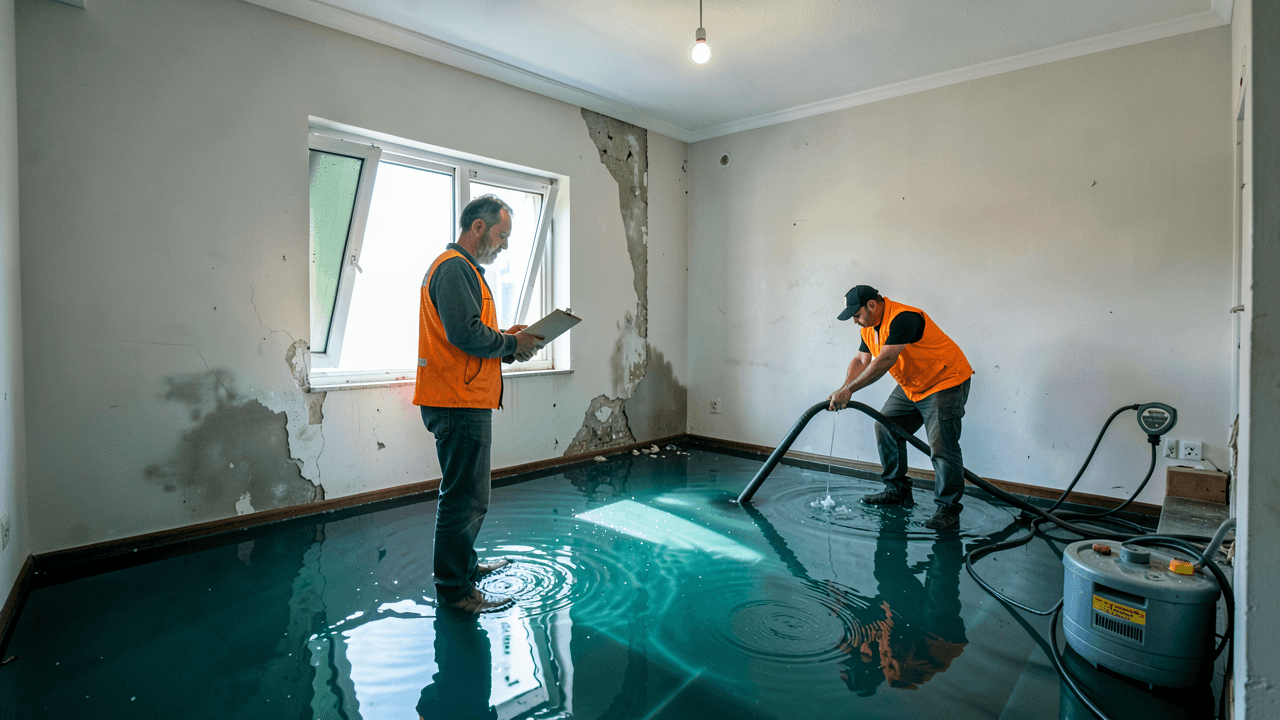
- Contact a Restoration Professional. Call a 24/7 emergency restoration service. A reputable company will perform an initial assessment and provide a written estimate. Learn more about choosing the right restoration company.
How to File a Water Damage Insurance Claim
Once you have documented the damage and engaged a restoration team, you can begin the formal claim process.
- Report the Claim Promptly. Most insurers require claims to be filed within 30 days of the incident. Use the insurer’s online portal or phone service.
- Submit All Documentation. Include photographs, videos, a written statement of the event, and the restoration assessment. Attach receipts for any emergency purchases (e.g., temporary roofing, plywood).
- Meet the Adjuster. Schedule an inspection with the insurer’s adjuster. Be present to walk through the damage and answer questions. Provide the adjuster with the same documentation you gave to the restoration team.
- Track the Claim Status. Keep a log of every interaction, noting dates, names, and outcomes. If you receive a denial, request a written explanation citing the specific policy provision.
- Appeal if Necessary. If your claim is denied, you have the right to appeal. Gather additional evidence, such as expert testimony or comparative repair quotes, to strengthen your case. Understand mold risks if water damage was not fully addressed.
Choosing a Qualified Restoration Professional
A professional restoration team can streamline the claim process and reduce future risk. Look for the following credentials:
- IICRC Certification. The Institute of Inspection, Cleaning & Restoration Certification indicates rigorous training.
- Experience with Insurer Claims. A company that regularly works with insurers will know how to document for claims efficiently.
- Transparent Pricing. Ensure the estimate includes all stages: water extraction, drying, mold remediation, and reconstruction. Get the estimate in writing before work begins.
- Insurance Adjuster Collaboration. The restoration crew should be willing to provide reports directly to the insurer’s adjuster, speeding up approvals.
For instance, a local Westside restoration firm recently handled a water damage claim for a Los Angeles family. By providing a comprehensive, photo‑rich report, the insurer approved the claim within 48 hours, and the family avoided a prolonged outage. Choose a team that can replicate such outcomes.
Preventing Future Water Damage
Even if you manage a claim well, it’s prudent to invest in prevention. Consider these measures:
- Install a Smart Water Monitor. Companies like Moen offer free installation of smart shut‑off valves that detect leaks and automatically cut water flow. Learn more about Moen’s system.
- Routine Plumbing Inspections. Schedule annual inspections to identify worn seals, corroded pipes, or hidden leaks.
- Upgrade Roof and Gutters. Replace damaged shingles and clean gutters to prevent standing water near the foundation.
- Maintain HVAC Systems. Ensure condensate lines are clear; a blocked line can overflow and flood living spaces.
- Use Moisture‑Absorbing Products. In high‑humidity rooms, place desiccant packs or dehumidifiers to keep moisture levels low.
Common Claim Denials and How to Avoid Them
Insurers sometimes deny water damage claims based on policy language. Below are typical reasons and how to counter them.
- Neglect or Maintenance Failure. If the damage results from long‑standing neglect, insurers may refuse coverage. Keep a log of all maintenance activities to prove due diligence.
- Pre‑existing Conditions. Claims for damage to a pre‑existing leak may be denied. Document when the leak was first noticed and any repairs undertaken.
- Exclusions for Certain Types of Damage. Some policies exclude water damage from “freezing water.” Verify whether your claim falls under such exclusions before filing.
- Failure to Mitigate Damage. If you did not take reasonable steps to stop the water flow, insurers may deny the claim. Acting promptly and recording your actions can mitigate this risk.
- Insufficient Documentation. A lack of photos, invoices, or detailed statements can lead to denial. Follow the documentation checklist above to avoid this pitfall.
Frequently Asked Questions
What types of water damage are covered by the insurer of last resort? Typically, sudden and accidental damage from burst pipes, appliance failures, and certain roof leaks are covered. Review your policy’s “Water Damage” section for specifics.
How long does a typical water damage insurance claim take to settle? Most claims settle within 30 to 60 days once all documentation is submitted. However, complex cases or disputes may extend the timeline.
Can I still file a claim if the damage was caused by a storm? Yes, but insurers may assess the claim based on storm-related coverage. If the insurer denies, you can appeal or consider filing a separate claim with the state’s disaster assistance program.
What if my claim is denied? You can file a written appeal, providing additional evidence such as expert reports or third‑party inspections. If the appeal fails, you may pursue mediation or legal action, but consult an attorney familiar with insurance disputes first.
Do restoration companies help with insurance paperwork? Many reputable firms provide claim‑support services, drafting reports and coordinating with adjusters. Verify this service before hiring.
Take Action Today to Protect Your Home
Don’t wait for the next emergency. Begin by reviewing your policy, stocking essential emergency supplies, and scheduling a preventive plumbing inspection. If water damage occurs, act swiftly—turn off power and water, document the damage, and contact a restoration professional immediately. When filing your water damage insurance claim, stay organized, meet all deadlines, and keep thorough records. If you need assistance navigating the claims process, reach out to restoration experts through our contact page. Let restorationcompanion.com guide you from damage to recovery, ensuring your home remains safe, dry, and protected.