Burst Pipe Damage Hits 22% of Claims as 17% Rate Hike Looms
State Farm’s 17% rate hike and 22% of claims from burst pipe damage underline the urgency of quick action.
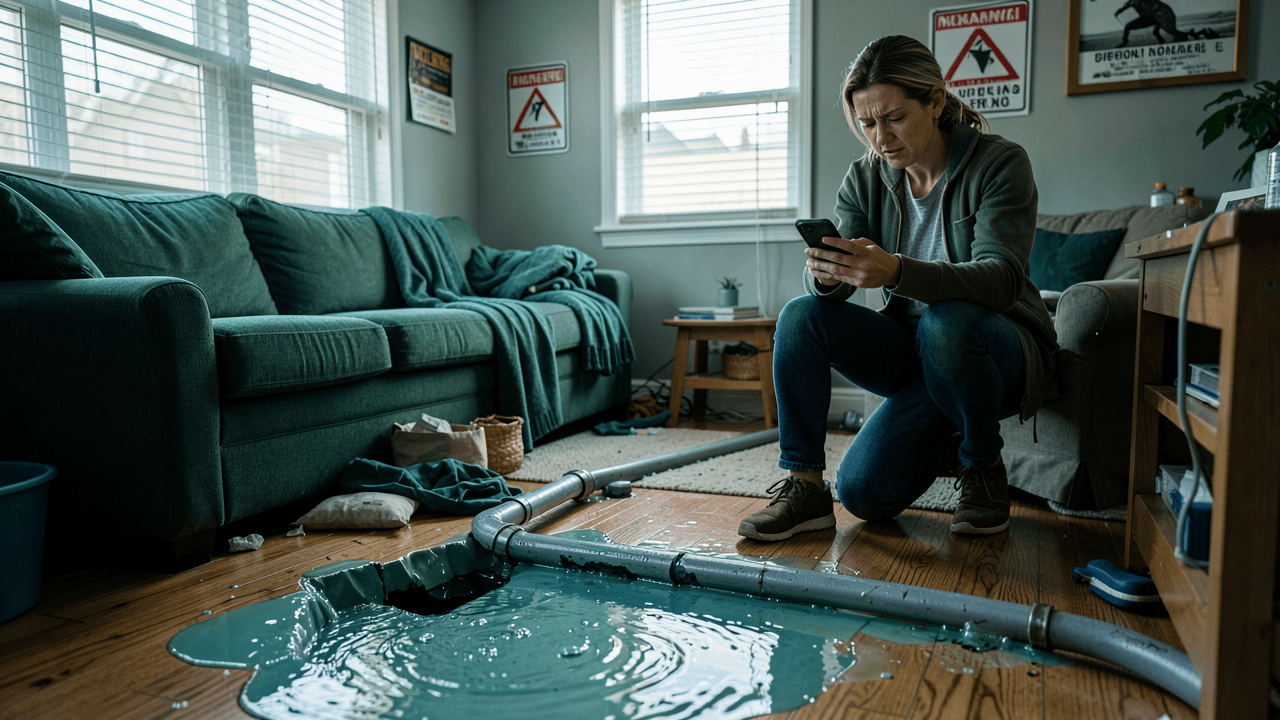
Burst Pipe Damage Hits 22% of Claims as 17% Rate Hike Looms
When the news headline about a burst pipe water damage surge grabs your attention, it’s easy to worry about insurance rates, winter chills, or the next costliest claim. But for homeowners, the most pressing question is: “What do I do now?” This article pulls the latest data out of the headlines and turns it into a practical playbook for dealing with a burst pipe, preventing future problems, and navigating insurance claims without the stress.
What Is Burst Pipe Water Damage and Why It Matters
A burst pipe occurs when a water line cracks, ruptures, or fails, allowing water to escape uncontrollably. This sudden influx can flood walls, ceilings, and foundations, leading to structural damage, mold growth, and costly repairs. Recent data shows that burst pipe water damage accounts for nearly 22% of all homeowners insurance claims, a figure that highlights how common and consequential these incidents are. Understanding the mechanics—pressure build-up, freezing expansion, corrosion, or loose fittings—helps you spot warning signs before catastrophe strikes.
Immediate Steps When You Suspect a Burst Pipe
When you first hear the sound of rushing water or see damp patches, act quickly:
- Turn Off the Main Water Valve: Locate your main shut‑off valve and close it to stop additional water flow.
- Power Safety: If the leak is near electrical outlets or appliances, switch off the circuit breaker to avoid electrocution.
- Contain the Leak: Use buckets, towels, or a shop vac to absorb water. If the pipe is exposed, wrap a piece of plastic and apply a hose clamp or epoxy pipe repair kit for a temporary fix.
- Document the Damage: Take photos and notes of the affected areas. This evidence will be crucial for your insurance claim.
- Call a Professional: Contact a trusted restoration specialist—like the experts at Restoration Companion—to assess the damage and begin drying and mold prevention.
These steps stop water from spreading further, reduce the risk of electrical hazards, and preserve critical evidence for your claim.
Preventing Future Bursts: Practical Tips
While winter storms and aging pipes are common culprits, many burst incidents can be prevented with simple, low‑cost measures:
- Insulate Pipes: Wrap exposed water lines with foam insulation, especially in basements, attics, and crawl spaces.
- Maintain Warm House Temperature: Keep indoor temperatures above 55°F during cold spells to prevent freezing.
- Install a Smart Thermostat: Schedule temperature spikes during extreme weather to keep water flowing.
- Check for Leaks Regularly: Inspect kitchen and bathroom fixtures, radiators, and outdoor hoses for drips or moisture.
- Use a Pressure Regulator: Excessive water pressure can strain pipes. A regulator set between 40–60 psi reduces rupture risk.
- Seal Pipe Connections: Apply plumber’s tape or thread sealant to all threaded fittings to prevent leaks.
Adopting these habits reduces the likelihood of a future burst and can even lower your insurance premiums over time.
Managing the Restoration Process
Once water stops, the next phase is drying, dehumidifying, and preventing mold. Here’s a concise roadmap:
- Water Extraction: Professional crews use high‑volume pumps and wet‑dry vacs to remove standing water within 24 hours.
- Air Movement: Powerful fans and dehumidifiers pull moisture from walls, floors, and HVAC ducts.
- Mold Prevention: Treat affected surfaces with antimicrobial agents to halt mold growth before it can spread.
- Repair Structural Damage: Replace warped studs, damaged drywall, or compromised foundation elements as needed.
- Clean & Restore: After the space is dry, clean surfaces, deodorize, and finish paint or flooring to return the home to its original condition.
Throughout the process, maintain clear communication with your restoration partner and ask for regular status updates. This transparency ensures you’re never surprised by hidden damage or scope changes.
Insurance Claims: How to Navigate the Process
With burst pipe water damage now a frequent claim category, understanding how to file and follow up can save you time and money.
- Notify Your Insurer Immediately: Most policies require prompt reporting. Call your agent or file online through your insurer’s portal.
- Provide Evidence: Submit the photographs, water extraction logs, and restoration estimates you gathered.
- Keep Receipts: For any temporary repairs, replacements, or cleaning supplies you purchase, retain receipts for reimbursement.
- Ask for an Adjuster Visit: An on‑site adjuster can verify damage extent and ensure your claim aligns with policy coverage.
- Review Your Policy Limits: Know your water damage coverage limits, deductibles, and any exclusions (e.g., flood insurance vs. standard home insurance).
- File Promptly: Delays can lead to claim denial. Act within the timeframe specified in your policy—often 30 days from the incident.
- Document Communications: Keep written records of all calls, emails, and meetings with the insurer and restoration company.
Following these steps can help you avoid pitfalls such as denied claims, underpayment, or protracted settlements.
Choosing the Right Restoration Partner
Not all restoration companies are created equal. Use these criteria to pick a trustworthy, experienced team:
- Licensed & Certified: Verify that the company holds proper local licensing, certifications (e.g., IICRC), and insurance.
- Transparent Pricing: Ask for a detailed, written estimate before work begins. Watch for hidden fees.
- Track Record: Request references or case studies demonstrating successful water damage restorations.
- Rapid Response: A company that dispatches crews within hours of the call is more likely to mitigate damage quickly.
- Comprehensive Services: Look for firms that handle everything from water extraction to mold remediation and final touch‑ups.
At Restoration Companion, we bring 20+ years of experience, state‑of‑the‑art equipment, and a proven record of restoring homes to pre‑damage condition—all while keeping your insurance claim process smooth.
Frequently Asked Questions
What is the fastest way to stop a burst pipe?
Immediately shut off the main water valve and, if safe, use a pipe repair clamp or epoxy kit to seal the leak temporarily until professionals arrive.
Will my insurance cover mold remediation after a burst pipe?
Most homeowner policies include mold remediation when the mold is caused by water damage. Check your policy for coverage limits and exclusions; a restoration expert can help document the scope.
How long does it take to dry a home after a burst pipe?
Professional drying can complete within 48–72 hours depending on severity, size, and moisture levels. However, the overall restoration timeline—including repairs—may extend to 1–3 weeks.
Can I use a shop vac to clean up burst pipe water?
For small spills, a shop vac is helpful, but large volumes require commercial‑grade extraction equipment to avoid residual moisture that fuels mold.
Is it necessary to call a plumber before a restoration company?
Yes—first address the plumbing issue to stop water flow. Once the pipe is repaired, the restoration team can focus on drying and mold prevention.
Take Action Now: Get a Professional Assessment
Don’t let a burst pipe grow into a nightmare. Reach out to a certified restoration specialist today to schedule an on‑site assessment, secure your property from further damage, and start the insurance claim process with confidence.
Explore our water damage guide for deeper insights, learn how to tackle mold with our mold remediation guide, or contact us for a personalized consultation. Your home’s safety and peace of mind are just a click away.