Asphalt Shingles Oil Shortage: Roof Costs Rise 10%
A 6‑10% price hike in asphalt shingles, driven by an oil shortage, forces homeowners to repair before water damage and insurance claims spiral.
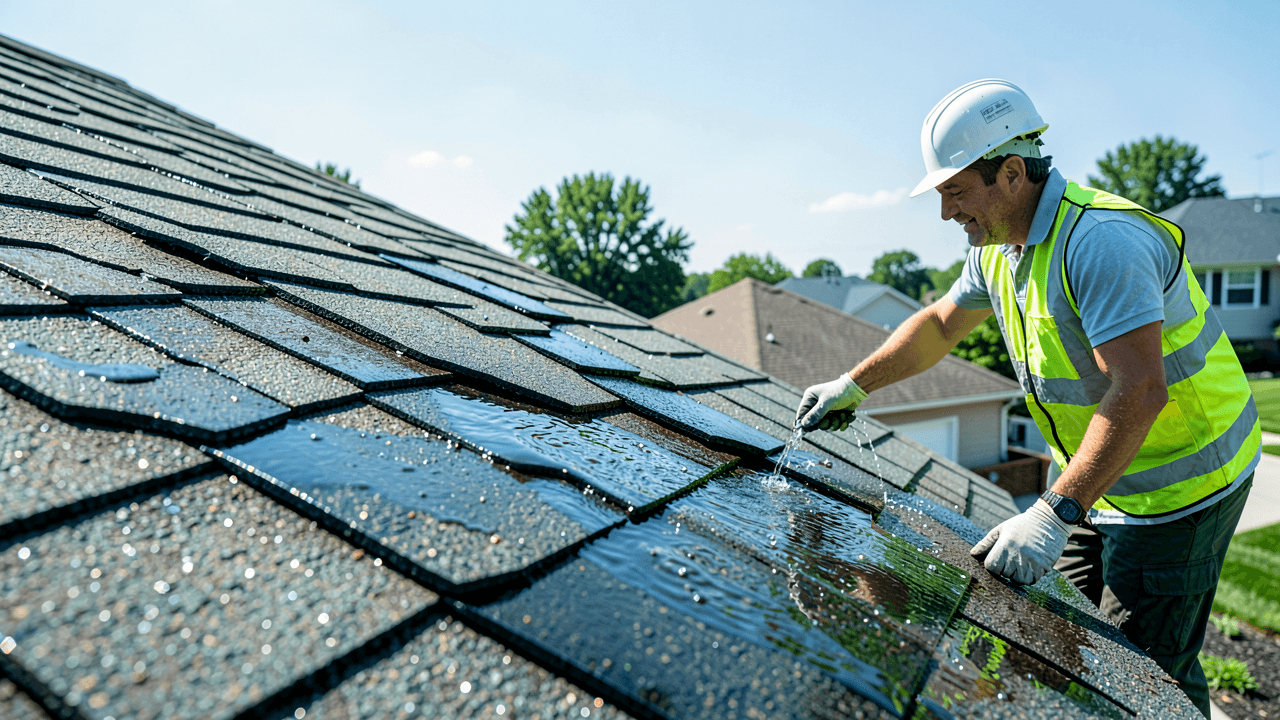
Asphalt Shingles Oil Shortage: Roof Costs Rise 10%
On March 12, 2026, a new report from Logams Roofing highlighted that "prices are rising and staying high," citing a 6% to 10% price increase by leading manufacturers such as Owens Corning, GAF, and CertainTeed in early 2025. While the headline may focus on a broader supply chain issue, the root cause for many homeowners is an emerging asphalt shingles oil shortage that directly impacts the cost of new installations and even shingle repair work. What does this mean for your roof, your insurance claim, and your budget? Below we break it down and give you concrete steps to protect your home.
Why the Oil Shortage Matters to Your Roof
Asphalt shingles are a blend of bitumen (a by‑product of crude oil) and aggregate. When the supply of petroleum‑derived bitumen tightens, manufacturers raise prices to cover higher raw material costs. The recent spike—reported by ServiceTitan’s Roofing Material Shortage post—shows that the shortage is “sweeping across this and many other industries.” For homeowners, that translates to a 10% rise in replacement or repair costs and a longer wait time for shingle delivery.
Practical Steps to Mitigate Rising Costs
- Plan Early: Schedule a roof inspection at least 3–4 months before the anticipated replacement window. An early assessment lets you budget for the new 10% premium and avoid rush pricing.
- Explore Alternatives: Consider hybrid or modified bitumen shingles that use SBS (styrene‑butadiene‑styrene) additives, which are less sensitive to oil price swings. Though slightly more expensive, they often come with a longer warranty and better resistance to the very materials that are now scarce.
- Use a Reputable Contractor: Verify that your roofer has a history of sourcing materials directly from manufacturers rather than third‑party distributors. This can sometimes reduce mark‑ups during shortages.
- Ask About Bulk Deals: If you’re renovating a multi‑unit building or planning a future addition, purchasing shingles in bulk can secure a price lock before further inflation.
- Review Your Insurance Policy: Many homeowners insurance policies now include a “material cost inflation” rider. Contact your insurer to confirm if you’re covered for the 10% increase. If not, consider adding a rider for future protection.
Handling an Insurance Claim During a Shortage
When a roofing event—such as hail damage or a fire—requires replacement, the insurance claim process can be delayed by material shortages. Here’s how to keep the paperwork moving:
- Document the Damage: Take clear photos and videos of every affected shingle, noting any missing or broken pieces. Provide a written statement of the incident date and circumstances.
- Get a Pre‑Claim Estimate: Ask your contractor for an estimate that reflects the current 10% premium. This will help your insurer understand the true cost of repair.
- Submit an Itemized Replacement List: Include the specific brand, model, and type of shingle required. If the insurer asks for an alternative due to shortages, request that they cover the cost difference.
- Maintain Open Communication: Keep a log of all phone calls and emails with your insurer. If the claim is delayed, politely ask for a status update and explain that the material shortage is affecting timelines.
- Consider a “Cost‑Plus” Reimbursement: Some policies allow reimbursement up to the cost of the replacement, including the 10% price increase, even if the actual invoice is higher due to shortages.
How to Protect Your Roof from Future Shortages
Proactive maintenance can reduce the need for costly replacements when supply is tight. Follow these routine checks:
- Inspect for Cracks and Wear: Every 2–3 years, walk your roof or hire a professional to look for cracking shingles, missing granules, or blistering. Early detection stops small issues from becoming major repairs.
- Clear Debris: Leaves, branches, and moss can trap moisture and accelerate shingle decay. Keep your roof free of debris to extend its life.
- Upgrade to Impact‑Resistant Shingles: As highlighted in DeckingHub’s Dallas guide, impact‑resistant shingles rated UL 2218 Class 4 use SBS modified bitumen and can withstand 2‑inch hailstones. While they carry a 15–25% price premium, many Texas insurers offer 20–30% discounts, potentially offsetting the cost within five years.
- Seal Gutter Systems: Ensure gutters are clear and properly angled to divert water away from shingles. A clogged gutter can lead to water infiltration and premature roof failure.
- Use a Roof Preservation System: When a full replacement isn’t immediately necessary, a roof rejuvenation spray can seal cracks and protect against UV damage, buying you time until the market stabilizes.
Addressing Water Damage and Mold from Roof Leaks
A leaky roof during an oil shortage can compound damage. Here’s a quick guide to managing the aftermath:
- Stop the Leak: Apply a temporary patch—such as a waterproof tape or a commercial roof repair kit—until professional help arrives.
- Dry the Area Promptly: Use dehumidifiers and fans to reduce moisture. The faster you dry, the less chance mold will establish.
- Document Mold Growth: Photograph any visible mold or dampness for insurance claims. Reference our mold remediation guide for step‑by‑step cleaning procedures.
- Contact a Restoration Professional: Seek a qualified crew to assess and treat hidden mold that can affect structural integrity and indoor air quality.
- Verify Insurance Coverage: Many policies cover water damage, but may exclude mold unless it is a result of a covered loss. Ask your insurer for clarification.
FAQs About Asphalt Shingles Oil Shortage
Q1: Why has the cost of asphalt shingles increased by 10%?
A1: The shortage of petroleum‑derived bitumen—used to bind the shingles’ layers—has pushed manufacturers to raise prices. The 10% increase reflects the higher raw material costs and the need to maintain supply during a tight market.
Q2: Can I delay roof replacement until prices drop?
A2: If your roof is structurally sound and not leaking, a delay can be reasonable. However, prolonged exposure to weather can worsen shingles, leading to higher eventual repair costs. Monitor the roof’s condition closely.
Q3: Will insurance cover the extra cost due to the shortage?
A3: Many policies have a “material cost inflation” rider that covers price increases up to a specified limit. Verify with your insurer whether your policy includes this rider and if the 10% increase is covered.
Q4: Are there alternatives to asphalt shingles that aren’t affected by oil shortages?
A4: Yes. Materials such as metal roofing, clay tiles, or wood shakes use different base materials and are less sensitive to oil price fluctuations. They may offer higher upfront costs but can provide long‑term savings in maintenance and lifespan.
Q5: How do I handle a claim if the roofing company can't get shingles in time?
A5: Request a temporary repair to prevent further damage. Keep a detailed record of the delay, and ask your insurer if they will cover the interim costs or provide a provisional payment while waiting for the material to arrive.
Take Action Now
With the asphalt shingles oil shortage pushing roof costs up by 10%, the smartest move for homeowners is to act early, plan for higher expenses, and keep insurance coverage in check. By following the practical steps above—documenting damage, engaging experienced contractors, and securing proper insurance riders—you can safeguard your roof and avoid the stress of last‑minute price hikes.
For personalized advice on how to navigate roof repairs, insurance claims, or restoration after a leak, explore our water damage guide or mold remediation guide. If you need professional help or would like to discuss your specific situation, contact us today at Restoration Companion. We’re here to help you protect your home, no matter the market conditions.