640,000 Acres Burned: Nebraska Wildfire Sparks Water Damage
The Morrill Fire, a nebraska wildfire that scorched 640,000 acres, has triggered widespread water damage as crews pour millions of gallons of water onto homes. Homeowners must act quickly to mitigate and restore.
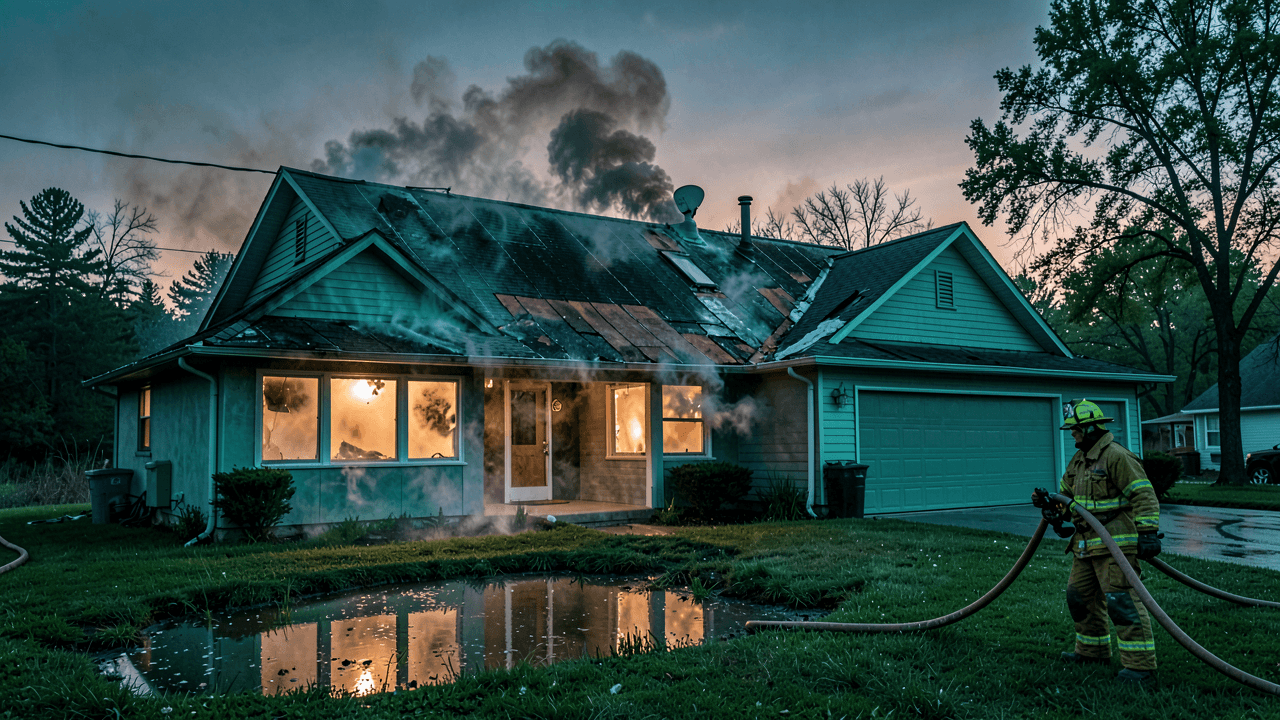
640,000 Acres Burned: Nebraska Wildfire Sparks Water Damage
On February 28, 2026, Fox Weather reported that the nebraska wildfire known as the Morrill Fire had scorched over 640,000 acres, leaving one person dead and thousands of homes exposed to smoke, heat, and the heavy water used to suppress the flames. While the headline focuses on the size of the blaze, the real concern for residents is the water damage that follows large-scale firefighting operations. This article will help stressed homeowners understand the impact on their property, what steps to take immediately, how to navigate insurance claims, and how to restore their homes safely and efficiently.
Immediate Actions When Water Damage Follows a Nebraska Wildfire
After the firefighting crews have tackled the fire, water and foam are often deployed at a massive scale. Even if a house is far from the center of the blaze, it can still suffer from:
- Plumbing bursts caused by heat expansion.
- Roof leaks from damaged shingles or heat‑altered flashing.
- HVAC system failures when water seeps into ductwork.
- Structural damage from moisture weakening wood framing.
Homeowners should act quickly:
- Turn off the main water supply to stop further flooding.
- Inspect the water damage guide on Restoration Companion for detailed inspection checklists.
- Document everything with photos or video before moving any items.
- Call a licensed restoration professional immediately; the sooner you start drying, the less mold will develop.
Assessing and Mitigating Roof and Exterior Damage
Fire suppression often pours thousands of gallons of water over roofs, causing them to sag or develop leaks. In a nebraska wildfire scenario, roofs may also suffer from heat‑burned shingles or melted flashing. Follow these steps:
- Check for loose or missing shingles; if you find any, replace them promptly.
- Inspect flashings around chimneys, skylights, and vents for cracks or warping.
- Use a moisture meter to detect damp spots beneath the roofing material.
- Schedule a professional roof inspection; if major damage is found, hire a roofing contractor that is experienced with wildfire‑related repairs.
Restoration professionals can perform mold remediation after roof repairs to ensure the entire structure remains dry.
Managing Water‑Related Mold Risks After Fire Suppression
In the aftermath of a large wildfire, water from suppression efforts can remain in walls, insulation, and carpeting for weeks. Mold begins to grow within 24–48 hours in moist environments. To prevent mold proliferation, homeowners should:
- Ventilate the affected areas by opening windows and using fans.
- Use dehumidifiers to keep indoor humidity below 45%.
- Remove and replace any wet insulation, especially if it shows signs of discoloration.
- Keep a detailed inventory of damaged items for insurance purposes.
- Consult a mold specialist if you notice musty odors or visible growth.
Professional mold remediation often involves air‑scrubbing equipment, HEPA filtration, and a detailed cleanup plan that is documented for insurance claim records.
Working with Insurance: Filing a Claim After a Nebraska Wildfire
Insurance companies will require evidence of damage and a clear timeline. For a homeowner dealing with water damage from wildfire suppression:
- Review your policy to confirm coverage for water damage, mold, and fire-related losses.
- Immediately submit a claim via your insurer’s online portal or mobile app.
- Provide photos, videos, and the inspection reports you have collected.
- Keep a copy of every communication with your insurer and restoration company.
- Ask your insurer for a list of approved contractors; many insurers partner with restoration specialists for post‑wildfire services.
Note that the timeline for claim approval can vary. In the Fox Weather coverage of the Morrill Fire, several homeowners were advised to start the claim process within 30 days of the incident to avoid delays.
Choosing the Right Restoration Company After a Nebraska Wildfire
Not all restoration companies are equally equipped to handle wildfire‑related water damage. Look for:
- Certification in the National Association of Water Damage Restoration (NAWDR) or similar bodies.
- Experience with large-scale wildfire suppression incidents, as documented in recent news such as the 2026 Nebraska wildfires coverage on Yahoo.
- Availability of a rapid response team; the sooner the drying process starts, the lower the risk of mold.
- Transparent pricing and detailed restoration plans that align with your insurance coverage.
- Positive customer reviews and case studies of similar wildfire scenarios.
For a list of vetted restoration specialists, visit our contact page and request a referral.
Preparing for Future Wildfires: Protecting Your Home
While you cannot prevent a wildfire, you can reduce your risk of water damage and structural loss:
- Create a defensible space by clearing dead vegetation, leaves, and shrubs within 30 feet of your house.
- Use fire‑resistant roofing materials such as metal, slate, or special shingles.
- Install a sprinkler system or fire-resistant barrier around the perimeter of your property.
- Keep gutters and downspouts clear to prevent water backup.
- Maintain your HVAC system to reduce the need for high water usage during firefighting operations.
Homeowners in the Nebraska wildfire zone can benefit from a routine inspection before the dry season begins, ensuring that all protective measures are in place.
Frequently Asked Questions
Q1: How can I determine if my roof was damaged by water from wildfire suppression?
A1: Inspect for missing, blistered, or peeling shingles. Use a moisture meter under the roofing material. If the roof feels damp, call a professional roofer for a detailed assessment.
Q2: What documentation does my insurance need for water damage claims after a wildfire?
Q2: Insurance typically requires photos, videos, inspection reports, and a written description of damage. Submit these documents through your insurer’s claim portal or directly to the restoration company for inclusion in the claim file.
Q3: How long should I wait before calling a restoration company after water damage?
Q3: The sooner, the better. Mold can begin to grow within 48 hours. Ideally, contact a restoration specialist within 24 hours of discovering water damage.
Q4: At what temperature does mold begin to grow in damp environments?
Q4: Mold thrives between 70°F and 95°F (21°C to 35°C). Keeping indoor temperatures below 80°F and humidity under 45% can significantly slow mold growth.
Q5: Where can I get help filing an insurance claim after a wildfire?
Q5: Start by contacting your insurance agent. If you need additional assistance, our water damage guide provides step‑by‑step instructions, and you can reach out to our team via the contact page for professional support.
After a devastating event like the Morrill Fire, homeowners in Nebraska face complex challenges. By acting quickly, documenting damage thoroughly, and working with experienced restoration professionals, you can navigate the recovery process with confidence. If you need help restoring your home or filing an insurance claim, visit Restoration Companion for expert guidance and support. Your path to a dry, safe, and healthy home begins here.